1. The Importance of Clean Windows in Residential Spaces
Clean windows play a much bigger role in a home than most people realize. They are not just glass panels that let light in; they directly influence the mood, comfort, and overall appearance of your living space. When windows are regularly cleaned, natural light enters more freely, making rooms feel brighter, more open, and more welcoming. This improved lighting can even enhance your mood and productivity, especially in spaces where you spend a lot of time such as living rooms, kitchens, and home offices. Dirty or streaked windows, on the other hand, can make even a well-decorated home feel dull and neglected.
Beyond aesthetics, clean windows also contribute to the longevity of the glass itself. Dust, pollution, hard water stains, and acidic rain can gradually damage the surface of windows if they are not properly maintained. Over time, these contaminants can etch into the glass, making it permanently cloudy or weakened. Regular cleaning prevents this buildup and helps preserve the clarity and strength of the windows. In residential environments, where comfort and presentation matter, maintaining spotless windows is a simple yet powerful way to protect your home investment.
2. Essential Tools and Materials for Effective Window Cleaning
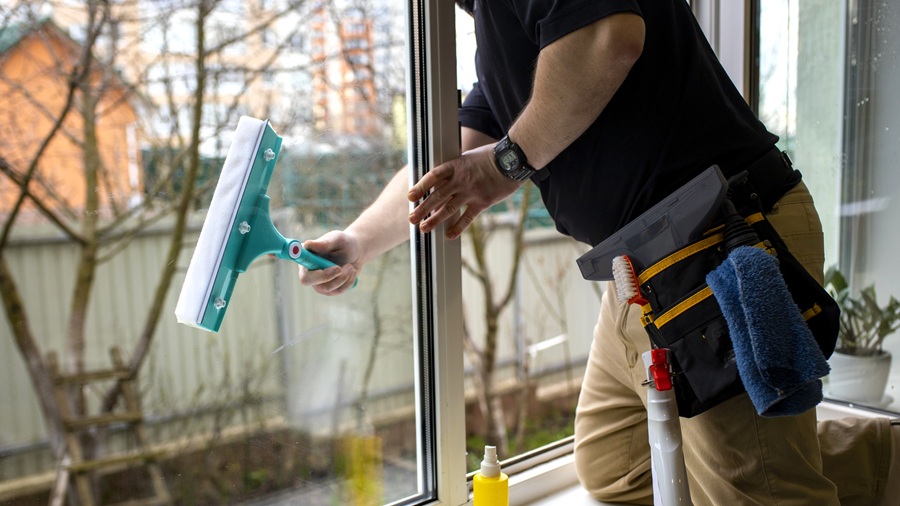
Having the right tools makes lavage de vitres résidentiel québec significantly easier and more efficient. A basic window cleaning kit typically includes a squeegee, microfiber cloths, a bucket, a scrubber or sponge, and a gentle cleaning solution. The squeegee is particularly important because it helps remove water without leaving streaks, while microfiber cloths are ideal for wiping edges and absorbing excess moisture. Many homeowners also use extension poles for reaching higher windows safely without needing ladders.
The choice of cleaning solution is equally important. While commercial glass cleaners are widely available, many people prefer homemade solutions made from water, vinegar, or mild dish soap. These alternatives are not only cost-effective but also environmentally friendly and safe for most window types. For homes located in areas with hard water, adding a small amount of vinegar can help dissolve mineral deposits that commonly leave white spots on glass. Proper preparation of tools and materials ensures a smoother cleaning process and reduces the risk of scratches or streaks on the glass surface.
3. Step-by-Step Process for Streak-Free Window Cleaning
Achieving streak-free windows requires a methodical approach rather than random wiping. The first step is to remove dust and loose dirt from the window surface using a dry cloth or soft brush. This prevents debris from turning into muddy streaks when water is applied. Next, the cleaning solution is applied evenly across the glass using a sponge or scrubber, making sure to cover all corners and edges where dirt tends to accumulate.
Once the surface is properly soaked, the squeegee is used in smooth, overlapping strokes, usually starting from the top and moving downward. It is important to wipe the squeegee blade after each stroke to avoid dragging dirt back onto the glass. After the main cleaning is done, microfiber cloths are used to dry the edges and remove any remaining droplets. This final step is crucial because leftover water can create streaks as it dries. With practice, this process becomes quick and efficient, leaving windows crystal clear and spotless.
4. Safety Tips and Challenges in Residential Window Cleaning
Safety is a key concern, especially when cleaning windows in multi-story homes or hard-to-reach areas. Using stable ladders and ensuring they are placed on even ground is essential to prevent accidents. Many homeowners also prefer using telescopic poles or hiring professionals for upper-floor windows to avoid unnecessary risk. Wearing non-slip footwear and avoiding overreaching while on ladders can significantly reduce the chances of injury.
Another challenge in residential window cleaning is dealing with stubborn stains such as bird droppings, hard water marks, and adhesive residues. These require a bit more effort and sometimes specialized cleaning solutions. Scrubbing too hard, however, can scratch the glass, so it is important to balance pressure with proper technique. Weather conditions also play a role; cleaning windows under direct sunlight can cause cleaning solutions to dry too quickly, leading to streaks. Choosing a cloudy day or working during cooler hours often produces better results.
5. Benefits of Professional Window Cleaning Services and Maintenance Tips
While many homeowners prefer DIY window cleaning, professional services offer several advantages. Experts have specialized tools, safety equipment, and experience to handle all types of windows, including large glass panels and difficult architectural designs. They can achieve a level of cleanliness that is often hard to match with basic home tools. Additionally, professionals can identify early signs of window damage such as seal failure or cracks, helping homeowners address issues before they become costly repairs.
For long-term maintenance, consistency is key. Cleaning windows at least twice a year is generally recommended, although homes in dusty or polluted areas may require more frequent attention. Regular dusting of window frames and screens also helps reduce dirt buildup on the glass itself. Applying protective coatings can further reduce stains and make future cleaning easier. By combining routine care with occasional professional cleaning, homeowners can ensure their windows remain bright, clear, and durable for years to come.
