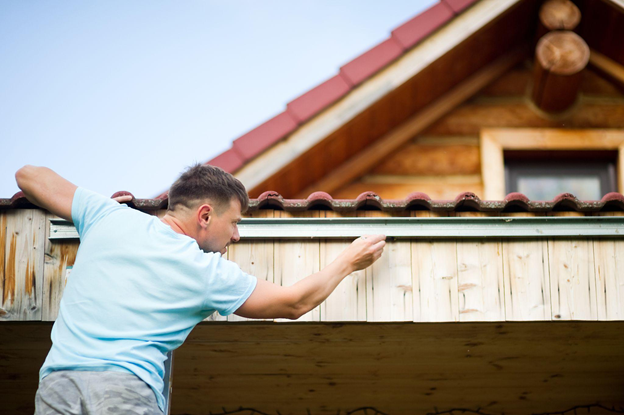
Tackling work on your roof is one of those jobs that sounds simple when you’re standing on the ground looking up. But the moment you climb the ladder, you realise there’s a real difference between a quick fix and a proper repair. Doing it yourself can save money, but only if you go about it the right way. Rushing, guessing, or skipping important steps usually ends in bigger problems and bigger bills, later on.
Before you even touch a tool, it helps to understand what you’re dealing with. That’s why a little preparation goes a long way. You don’t need to be a builder or a tradie, just someone who’s willing to take their time and pay attention.
Start with a Proper Inspection
The first step is a slow walk-around. Look for cracked tiles, lifting edges, sagging areas, rust spots, or patches that look darker than the rest. These are the usual clues that water is getting in or that a part of the roof has started to break down.
Inside the house, check the ceilings for brown stains or bubbling paint. Even tiny spots can be a warning that something on the roof above that area isn’t functioning properly. It’s tempting just to fix the obvious damage you see outdoors, but indoor signs are just as important.
Put Safety First, Always
DIY roof jobs go wrong fast when safety is treated like an afterthought. Before climbing up, make sure the ladder is stable, positioned on flat ground, and tied off if you can. Wear shoes with a solid grip, and don’t go up in wet or windy weather. Brisbane storms roll in quickly, and roofing materials get slippery even with light moisture.
If your roof is steep, consider using a harness. It might feel like overkill, but one slip is all it takes. Even experienced tradies gear up properly, so it’s worth following their lead.
Use the Right Materials
When you fix something on your roof, aim to do it once and do it right. Cheap sealants, mismatched tiles, or random nails from the shed might hold for a week, but they’re not likely to last through heat, heavy rain, or our summer storms.
If you need replacement tiles, match the style and size. For metal roofs, use screws made for roofing, not general-purpose ones. Good materials don’t have to be expensive; they just need to be the correct ones for the job.
Understand the Real Scope of the Job
Not all roof problems can be solved with a quick DIY fix. Small cracks, loose screws, or clogged gutters are simple enough. But sagging areas, big leaks, large rust patches, or broken flashing often point to deeper issues.
Some homeowners like to tackle the job themselves and then call in help only if they get stuck. There’s nothing wrong with that, just know your limits. Around the middle of your project, you might wonder whether you should’ve asked a roofing company in Brisbane to check the tougher work, especially if you spot something you hadn’t noticed before.
Clean Before You Repair
No matter what job you’re doing, start with a clean surface. Dust, leaves, old paint, and broken tile fragments all get in the way of proper repairs. Gently sweeping the roof with a soft broom helps you see the true condition of the surface. Avoid pressure washing unless you know how to do it safely, as it can force water into places it shouldn’t go.
Fix One Section at a Time
Jumping around the roof and fixing random areas often results in missed spots and uneven results. Choose one section, repair it fully, and then move on to the next. This makes the job easier to track and helps you avoid forgetting small but important details.
For example:
- Replace broken tiles one area at a time
- Recoat metal panels in full sections
- Check flashing around vents and edges before moving on
Do a Final Check Before Packing Up
When you think you’re done, take one more slow walk around. Sometimes a screw sits a little high, a tile isn’t sitting flat, or a patch looks uneven. These tiny things might seem harmless now, but they’re often the first to fail during a storm.
Also check gutters and downpipes for debris you might’ve knocked in during the repair. Blocked gutters send water back onto the roof surface, undoing the hard work you just did.
Know When It’s Time to Stop and Call a Pro
DIY is great, but it has limits. If you keep running into new problems, if the damage is widespread, or if something looks unsafe, that’s your cue to get proper help. The goal isn’t to prove you can do everything; it’s to keep your home dry and safe without making the problem worse.
Conclusion:
Doing your roof the right way means slowing down, staying safe, and knowing when a job is simple enough to handle yourself. Big repairs, structural issues, or anything that feels beyond your skill level should be left to the experts, especially when you consider how much a mistake can add to your overall roof restoration cost.
For trusted help when you need it, Brisbane Roof and Paint is always ready to step in.