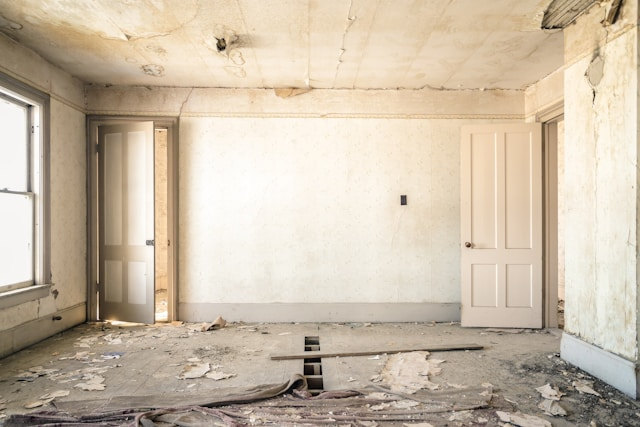
The quality of housing in the United Kingdom is protected by strong legal frameworks designed to ensure tenants live in safe, secure, and habitable properties. However, thousands of renters continue to face serious issues such as damp, mould, structural damage, faulty heating systems, and unsafe electrics. When landlords fail to address these problems, tenants have the right to take legal action through housing disrepair claims. Understanding your rights is crucial, not only to improve living conditions but also to seek compensation for inconvenience, health impacts, and financial loss.
This guide explains the legal rights every UK tenant should know, the responsibilities landlords must meet, and how the process of housing disrepair claims works.
What Is Housing Disrepair?
Housing disrepair refers to a landlord’s failure to maintain a rental property in a condition that meets legal safety and habitability standards. In the UK, rental homes must be structurally sound, weatherproof, and free from hazards that could endanger tenants’ health.
Common examples of housing disrepair include persistent damp and mould, leaking roofs, broken boilers, faulty plumbing, electrical hazards, pest infestations caused by structural issues, and damaged windows or doors. These problems are not simply inconveniences; they can have serious consequences for physical and mental health. For example, prolonged exposure to mould has been linked to respiratory illnesses and allergic reactions.
Tenants experiencing such conditions may be eligible to pursue housing disrepair claims if their landlord has been informed but has failed to carry out necessary repairs within a reasonable timeframe.
Legal Framework Protecting UK Tenants
UK housing law clearly outlines landlord responsibilities. The primary legislation governing housing repairs includes the Landlord and Tenant Act 1985 and the Homes (Fitness for Human Habitation) Act 2018. These laws require landlords to maintain the structure and exterior of the property, ensure installations for water, gas, electricity, sanitation, heating, and hot water are in proper working order, and keep the property fit for human habitation throughout the tenancy.
Under these laws, landlords cannot ignore repair requests. Once they are notified of an issue, they are legally obligated to address it within a reasonable period. What is considered “reasonable” depends on the severity of the problem. For instance, a broken boiler during winter requires urgent action, whereas minor cosmetic issues may allow for a longer repair window.
If a landlord refuses to act or repeatedly delays repairs, tenants may pursue housing disrepair claims to enforce their rights and seek compensation.
Landlord Responsibilities Explained
A landlord’s repair obligations go beyond simple maintenance. They must ensure that the property remains safe and compliant with health and safety regulations. This includes maintaining gas safety standards, electrical installations, fire safety measures, and structural integrity.
Importantly, landlords are responsible for repairs even if the issue was not caused by them directly, as long as it falls within their legal duty. For example, if damp occurs due to structural defects or poor insulation, it is the landlord’s responsibility to fix the underlying cause.
However, tenants also have responsibilities. They must use the property in a tenant-like manner, report issues promptly, and avoid causing damage through negligence. Failure to report problems could weaken a tenant’s case if they later decide to pursue housing disrepair claims.
How to Report Housing Disrepair Properly
The first step in resolving housing disrepair is notifying the landlord. This should ideally be done in writing, either by email or letter, so there is a record of communication. Clearly describe the issue, include photographs if possible, and request repairs within a reasonable timeframe.
If the landlord does not respond or fails to carry out repairs adequately, tenants may contact their local council’s environmental health department. The council has the authority to inspect the property under the Housing Health and Safety Rating System and issue improvement notices where necessary.
Keeping detailed records is essential. Save copies of letters, emails, repair requests, inspection reports, and medical evidence if health problems arise due to the disrepair. This documentation will be crucial if legal action becomes necessary.
Compensation in Housing Disrepair Cases
Tenants who pursue housing disrepair claims may be entitled to compensation. The amount awarded typically depends on the severity of the disrepair, how long it lasted, and the impact it had on the tenant’s health and quality of life.
Compensation may cover inconvenience and distress caused by living in substandard conditions. It can also include reimbursement for damaged belongings, increased utility costs due to faulty heating or insulation, and medical expenses linked to the disrepair.
In some cases, compensation is calculated as a percentage of the rent paid during the period of disrepair. The more serious and prolonged the issue, the higher the potential award. Courts assess each case individually, taking into account the specific circumstances and evidence provided.
The Legal Process for Housing Disrepair Claims
When informal efforts fail, tenants may initiate formal legal proceedings. Most housing disrepair claims begin with a letter of claim sent to the landlord, outlining the issues and requesting action and compensation. The landlord is given a specified period to respond.
If the landlord disputes the claim or refuses to act, the case may proceed to court. In many situations, cases are settled before reaching trial. Courts can order landlords to carry out repairs and award compensation to tenants.
Legal representation can significantly improve the chances of success. Many solicitors handle housing disrepair claims on a no win, no fee basis, making legal action more accessible to tenants who may already be facing financial hardship due to poor living conditions.
It is important to note that there are time limits for bringing claims. Generally, tenants have up to six years to make a claim for disrepair, but acting promptly is always advisable.
Protection Against Eviction and Retaliation
Some tenants fear that taking legal action may result in eviction. UK law offers protection against retaliatory eviction in certain circumstances. If a tenant reports disrepair to the local council and the council serves an improvement notice, the landlord may be restricted from issuing a Section 21 eviction notice for a specified period.
These protections are designed to ensure tenants can enforce their rights without intimidation or unfair treatment. Nevertheless, seeking legal advice early can help tenants understand their position and avoid unintended consequences.
Tenants should also be aware that withholding rent without legal guidance can lead to eviction proceedings. Even if the property is in disrepair, rent must continue to be paid unless a court or legal agreement states otherwise.
Why Knowing Your Rights Matters
Living in a safe and well-maintained home is not a luxury; it is a legal right. Poor housing conditions can affect physical health, mental wellbeing, work performance, and family life. By understanding the law and taking appropriate action, tenants can hold landlords accountable and improve their living standards.
Housing disrepair claims serve not only as a path to compensation but also as a mechanism to enforce housing standards across the rental sector. When tenants assert their rights, it encourages landlords to meet their obligations and maintain properties responsibly.
If you are experiencing unresolved repair issues, do not ignore them. Document the problems, notify your landlord in writing, and seek professional advice if necessary. The law is designed to protect tenants, and there are clear avenues available to ensure your home meets acceptable standards.
Conclusion
In conclusion, UK tenants are backed by strong legal protections when it comes to housing disrepair. From statutory repair obligations to compensation rights and protection against retaliatory eviction, the legal framework aims to create safe living environments for all renters. By understanding how housing disrepair claims work and taking timely action, tenants can safeguard their health, finances, and peace of mind while ensuring landlords fulfill their legal duties.

