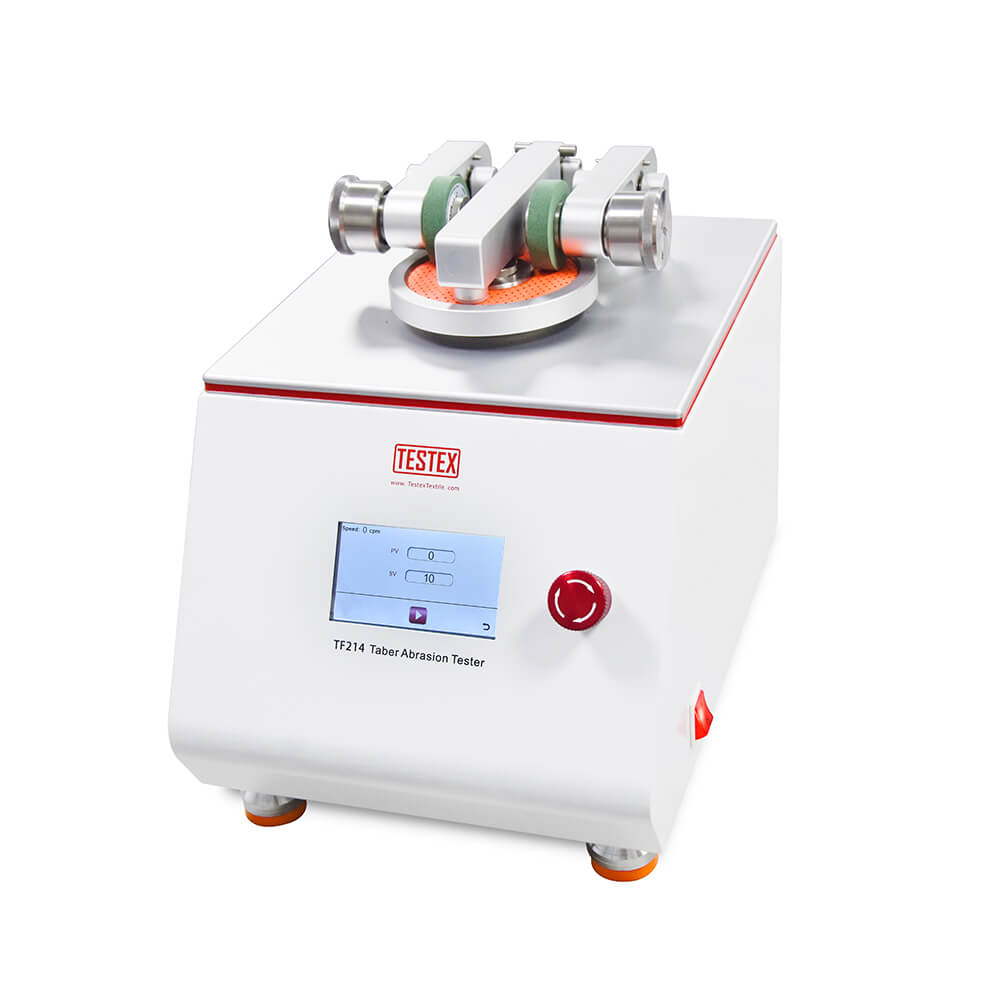
Accuracy in materials testing isn’t negotiable. A single percentage point of error in abrasion measurements can mean the difference between a product that meets specifications and one that fails catastrophically in the field. Top-quality abrasion testers deliver the measurement precision and repeatability that modern manufacturing demands, transforming subjective durability assessments into objective, defensible data.
The proliferation of materials science innovations—from nano-composite coatings to bio-based polymers—has created unprecedented diversity in material properties. Testing equipment must adapt to this complexity while maintaining the accuracy that quality decisions depend upon. Understanding what separates premium testing platforms from adequate ones empowers organizations to make investments that pay dividends for decades.
What is an Abrasion Tester?
An abrasion tester is a precision instrument that quantifies material surface resistance to mechanical wear through standardized testing protocols. The Taber rotary platform stands as the global benchmark, utilizing calibrated abrading wheels rotating against specimen surfaces under precisely controlled loads and speeds.
These aren’t simple wear machines—they’re measurement systems engineered to sub-gram accuracy. Every component from the turntable bearing assembly to the load application mechanism undergoes precision manufacturing to ensure the wear you measure reflects actual material properties rather than equipment inconsistencies.
Quality abrasion testers comply with multiple international standards simultaneously. A single unit might meet ASTM D4060, ISO 9352, DIN 53754, and industry-specific protocols like SAE J365 for automotive applications or TAPPI T476 for paper products. This multi-standard capability ensures test data remains valid across global markets and regulatory jurisdictions.
How it Works
The testing mechanism combines mechanical simplicity with measurement sophistication. A specimen clamps onto a horizontal turntable powered by a precision motor maintaining constant rotational velocity regardless of load resistance. This speed stability—critical for reproducible results—separates quality equipment from budget alternatives.
Two abrading wheels contact the specimen surface at predetermined positions, typically 180 degrees apart. These wheels don’t rotate on their own axes; instead, they’re held stationary while the specimen rotates beneath them, creating circular wear tracks. The friction between wheel and specimen causes gradual material removal.
Load application uses calibrated weight stacks that rest directly on vertical shafts connected to wheel holders. This mechanical advantage system ensures the force pressing wheels against specimens remains constant throughout testing. Premium systems achieve ±2 gram load accuracy—essential when testing thin coatings where 5-10 gram variations significantly affect results.
The abrading wheels themselves represent carefully engineered abrasive systems. Resilient wheels use aluminum oxide particles bonded in rubber matrices with Shore A hardness ratings between 72-90. Calibrase wheels employ silicon carbide in softer binders. Each combination creates specific wear characteristics matching different material testing needs.
Integrated vacuum systems prevent wear debris accumulation that would cushion abrasive action. High-quality units move 3.5-4.5 cubic feet per minute, sufficient to capture particles continuously without interrupting the testing process. This contamination control ensures the 100th cycle produces wear comparable to the 1st cycle.
Benefits
Measurement Precision: Top-tier equipment achieves repeatability within ±3% when testing identical specimens. This precision enables detection of subtle formulation changes that affect long-term performance. A coating company identified raw material quality drift producing just 8% performance variation—changes invisible without accurate testing.
Universal Material Compatibility: Quality testers handle everything from soft textiles to hardened ceramics through wheel and load adjustments. One laboratory tests automotive leather, dashboard plastics, and anodized trim parts using the same equipment—eliminating the need for multiple specialized instruments.
Long-Term Reliability: Precision-manufactured components maintain accuracy over decades with proper maintenance. Several Fortune 500 companies operate Taber units purchased in the 1990s that still meet current calibration standards after routine servicing. This longevity transforms initial investment into exceptional value over equipment lifetime.
Data Credibility: Results from recognized testing platforms carry weight in technical discussions, certification processes, and litigation. When product performance disputes arise, data from calibrated, standards-compliant equipment stands up to scrutiny that informal testing cannot withstand.
Process Optimization: Accurate testing enables meaningful comparison of process variables. A flooring manufacturer systematically tested curing temperatures from 140°F to 180°F in 5-degree increments, identifying the optimal 165°F that balanced production efficiency with maximum abrasion resistance.
Step-by-Step Guide
Pre-Test Equipment Verification
Quality testing begins with equipment validation. Check turntable speed using a digital tachometer—verify it maintains 72 RPM ±0.5 RPM throughout rotation. Inspect abrading wheels for uniform surface condition; uneven wear creates measurement artifacts.
Verify load accuracy by weighing the complete wheel assembly with calibration weights installed. Total weight should match specification within ±2 grams. Document these verification steps—they establish measurement traceability essential for quality system compliance.
Specimen Standardization
Material preparation directly impacts result quality. Cut specimens to exact dimensions using templates and precision cutting tools. For round specimens, 107mm diameter represents the standard, but thickness requirements vary by material type—rigid materials need 2-3mm minimum while flexible substrates require backing support.
Surface preparation removes contaminants without altering material properties. Clean with isopropyl alcohol using lint-free wipes, allowing complete evaporation before testing. Never use solvents that might soften or swell polymer surfaces.
Conditioning at 23°C ±2°C and 50% ±5% relative humidity for 24 hours minimum ensures materials reach equilibrium state. Record conditioning environment on test documentation.
Precise Test Execution
Mount specimens carefully, ensuring flat contact with the turntable. Any warping or air gaps beneath specimens produces inconsistent wear. Secure the specimen using the hold-down ring with appropriate pressure—enough to prevent slippage but not so much that it distorts the material.
Position abrading wheels to create wear paths at least 6mm from specimen edges but not overlapping the center hold-down area. Start the test and observe the first 10-20 cycles to confirm proper wheel tracking and debris removal.
Accurate Data Collection
Weigh specimens before testing using analytical balances reading to 0.1 milligram. Record initial weight, test parameters, wheel types, loads applied, and environmental conditions. These metadata enable valid comparison of results across time and between operators.
After testing, vacuum specimens to remove loose debris before final weighing. Calculate weight loss per 1,000 cycles—the standard reporting metric that enables comparison across different cycle counts.
For optical properties, measure at consistent locations using calibrated instruments. Gloss readings require standardized angles (typically 60° for most surfaces, 85° for high-gloss materials).
Charts, Tables and Data
Accuracy Specifications Comparison
| Performance Metric | Standard Equipment | Top-Quality Equipment | Impact |
| Load accuracy | ±5g | ±2g | Critical—affects wear rate |
| Speed stability | ±2% | ±0.5% | Medium—impacts consistency |
| Weight measurement | ±1mg | ±0.1mg | High—determines precision |
| Cycle counting | ±5 cycles | ±1 cycle | Low—minor effect |
| Vacuum efficiency | 2.0 CFM | 4.0 CFM | High—debris management |
| Temperature stability | ±5°C | ±2°C | Medium—material properties |
Material-Specific Testing Parameters
| Material Type | Optimal Wheel | Recommended Load | Cycles for Data | Expected Wear Rate |
| Vinyl composite tile | CS-10F | 1000g | 1000 | 120-180 mg |
| Automotive paint | CS-17 | 500g | 100 | 15-35 mg |
| Plastic laminate | CS-10 | 1000g | 500 | 80-150 mg |
| Upholstery fabric | H-22 | 250g | 10000 | 300-600 mg |
| Powder coating | CS-17 | 500g | 200 | 25-60 mg |
| Engineered wood | CS-10F | 500g | 1000 | 140-220 mg |
Quality Impact Assessment
| Quality Factor | Cost of Inaccuracy | Frequency | Cumulative Annual Impact |
| False material approval | $12,000-$50,000 | 2-4 times/year | $24,000-$200,000 |
| Incorrect batch rejection | $3,000-$8,000 | 3-6 times/year | $9,000-$48,000 |
| Supplier disputes | $5,000-$15,000 | 1-3 times/year | $5,000-$45,000 |
| Development delays | $8,000-$25,000 | 2-5 times/year | $16,000-$125,000 |
| Total Risk Exposure | — | — | $54,000-$418,000 |
Common Mistakes
Neglecting Environmental Control: Temperature and humidity affect polymer properties significantly. Testing the same material at 18°C versus 28°C can produce 20-30% difference in measured wear rates. One quality lab discovered seasonal variation in their test results—their laboratory lacked climate control, making winter tests incomparable to summer data.
Inadequate Specimen Replication: Testing single specimens provides unreliable data. Material variability, positioning differences, and random factors influence individual test results. Statistical validity requires minimum 3-5 replicate specimens. A packaging film manufacturer nearly rejected a supplier based on poor single-specimen results—additional testing showed the initial specimen was an outlier, with the material actually meeting specifications.
Mixing Wheel Generations: Abrading wheels wear gradually, changing their abrasive characteristics. Combining fresh wheels with partially worn wheels creates asymmetric wear patterns. Replace wheels in matched pairs, and maintain usage logs tracking cycles run on each wheel set.
Inconsistent Measurement Technique: Weighing specimens immediately after testing while still warm from friction produces different results than weighing after cooling. Establish standard procedures for measurement timing, specimen handling, and balance operation. Train all operators identically to eliminate technique-based variability.
Ignoring Calibration Cycles: Equipment performance drifts over time. Motor speeds gradually change, load accuracy decreases, and turntable bearings wear. Running quarterly verification tests using reference materials creates documentation proving equipment maintains accuracy between annual calibrations. Without this verification, you can’t determine when results became questionable.
Expert Tips
Establish Reference Material Baselines: Maintain a stock of stable reference materials with well-characterized abrasion properties. Test reference specimens monthly using identical parameters. Plot results on control charts—trends indicate equipment drift before it affects production testing. This proactive monitoring prevents invalidated test series and catch problems early.
Optimize Specimen Quantity Economics: Testing multiple specimens per run maximizes equipment utilization. Use specimen holders that accommodate 4-6 specimens simultaneously when testing small parts. This batch approach reduces per-test costs by 60-70% while improving statistical confidence through higher replication numbers.
Document Operational Nuances: Every laboratory develops techniques that optimize their specific testing needs. Create standard operating procedures capturing these refinements—specimen mounting tricks, wheel conditioning methods, effective debris removal approaches. This documentation preserves institutional knowledge when experienced operators retire or transfer.
Implement Blind Testing Protocols: When comparing competitive materials or validating supplier claims, have operators test specimens without knowing their identity. This blind approach eliminates confirmation bias that can unconsciously influence subjective aspects of testing like visual assessments or borderline measurement calls.
Correlate with Field Intelligence: Systematically collect real-world performance data from customers and field installations. Build databases linking laboratory test results to actual service life. These correlations transform abrasion testing from academic exercise into powerful predictor of market success. One manufacturer discovered their internal pass/fail threshold was too lenient—products passing at 150mg loss performed poorly in service while materials at 120mg excelled.
Scenario Example
A medical device manufacturer produced injection-molded housings for diagnostic equipment used in hospitals. Their quality specifications required housings to withstand repeated cleaning with harsh disinfectants without surface degradation that could harbor pathogens.
Initial production batches passed basic appearance tests but began failing in clinical settings after 8-12 months. Surface texture deteriorated, creating microscopic crevices difficult to sterilize. Customer complaints escalated, threatening a major hospital network contract worth $4.8 million annually.
The engineering team implemented systematic abrasion testing using CS-17 wheels at 500g load, simulating the mechanical action of cleaning protocols. They tested current production material, archived samples from successful early production, and competitor products known for durability.
Testing revealed current material lost 165mg per 1,000 cycles versus 98mg for early production samples. The difference traced to a cost-reduction initiative that had substituted a cheaper polymer additive package. While the change saved $0.08 per unit in materials, it reduced abrasion resistance by 68%.
The company reverted to the original formulation. Retesting confirmed performance matched early production standards. More importantly, they established ongoing incoming material testing, running abrasion tests on every resin lot before approving it for production.
The testing program required $16,800 in equipment investment plus $12,000 annually in testing supplies and labor. However, it prevented contract loss, eliminated warranty claims averaging $38,000 annually, and identified two subsequent supplier quality excursions before they reached customers. First-year ROI exceeded 300%.
FAQs
What makes a Taber tester “top-quality”?
Superior load accuracy (±2g vs ±5g standard), enhanced speed stability, precision bearings ensuring smooth rotation without vibration, high-efficiency vacuum systems, and comprehensive calibration documentation. Top-tier units include temperature monitoring, automated data logging, and construction quality that maintains accuracy over decades rather than years.
How do I verify my equipment maintains accuracy?
Implement quarterly verification testing using certified reference materials with known abrasion characteristics. Compare results to established baselines—variation beyond ±5% indicates potential calibration issues. Additionally, verify load accuracy using calibrated weights, measure turntable speed with tachometers, and inspect mechanical components for wear.
Can abrasion testing replace field trials?
Laboratory testing accelerates evaluation but cannot replicate all real-world variables—UV exposure, chemical contact, temperature cycling, and biological factors. Use abrasion testing for comparative analysis and screening, but validate critical applications with field trials. The combination provides both speed and confidence.
What training ensures accurate testing?
Operators need hands-on training covering specimen preparation, equipment operation, measurement techniques, and troubleshooting. Beyond initial training, implement periodic competency assessments where operators test reference specimens—their results must fall within established ranges. This ongoing verification confirms consistent technique across the team.
How often should wheels be replaced?
Monitor wheel diameter and surface condition rather than following rigid schedules. CS-series wheels typically function well for 500-1,000 cycles, but aggressive materials accelerate wear. Measure wheel diameter monthly—replace when reduction exceeds 3mm or surface develops grooves, glazing, or contamination. Always replace wheels in matched pairs.
What causes test-to-test variation?
Multiple factors: material inconsistency, worn abrading wheels, load calibration drift, environmental changes, operator technique differences, or equipment wear. Systematic investigation isolates causes: test reference materials to verify equipment, use fresh wheels to eliminate wheel wear, document environmental conditions, and ensure all operators follow identical procedures.
Should I test at elevated cycle counts?
Higher cycle counts reveal long-term behavior patterns but increase testing time and costs. For initial screening, 1,000 cycles typically suffice. For critical applications or competitive comparisons, extend to 5,000-10,000 cycles. Plot wear versus cycles—most materials show linear relationships allowing extrapolation from shorter tests.
How do I justify premium equipment investment?
Calculate the cost of material failures, warranty claims, and development delays. If testing inaccuracy causes one major failure annually costing $50,000, premium equipment achieving ±3% repeatability versus ±8% standard equipment pays for itself immediately. Add value from reduced testing time, fewer retests, and enhanced data credibility in customer and regulatory presentations.
Conclusion
Top-quality abrasion testing equipment represents the foundation of credible material performance data. The precision, reliability, and versatility of these systems transform quality control from reactive problem management to proactive material optimization that prevents failures before they occur.
Investment in superior testing capability pays continuous dividends through reduced warranty costs, optimized formulations, and competitive advantages built on documented performance superiority. Organizations serious about material quality recognize that testing accuracy isn’t an expense—it’s insurance against far costlier failures downstream.
Whether you’re establishing new testing capabilities or upgrading decades-old equipment, prioritize accuracy, reliability, and comprehensive support. The right abrasion tester becomes a trusted instrument that guides material decisions, validates supplier quality, and builds customer confidence in your products’ durability for years to come.
