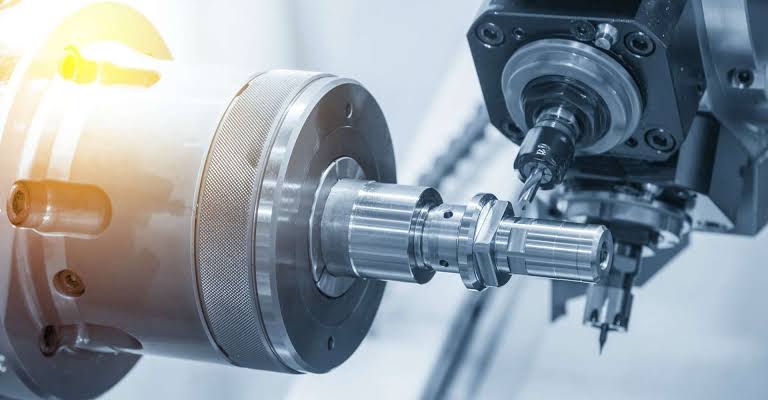
In today’s rapidly evolving manufacturing landscape, precision and reliability are no longer optional — they are essential. From aerospace components to hightolerance automotive parts and complex medical instruments, modern engineering demands machining processes that deliver unparalleled accuracy and consistency. As UK manufacturers strive to remain competitive on the global stage, precision CNC machining has emerged as a cornerstone of industrial innovation and quality production.
The Growing Demand for Precision Manufacturing
Traditional machining techniques have served industry well for decades, but as design specifications tighten and material performance requirements increase, conventional methods simply cannot keep pace. Precision machining — the use of advanced computercontrolled tools to achieve exact dimensions and surface finishes — addresses these challenges by combining automation with exceptional engineering control.
Key factors driving this shift include:
- Increasing complexity of product designs — particularly in aerospace and medical devices.
- Higher performance expectations from enduse customers.
- Demand for repeatability and traceability across production batches.
- The rise of digital manufacturing and Industry 4.0 integration.
These pressures have encouraged investment in stateoftheart CNC (Computer Numerical Control) equipment capable of producing parts that meet micronlevel tolerances while maintaining high throughput.
What Sets Precision CNC Machining Apart
Precision CNC machining stands out because it seamlessly blends digital precision with physical manufacturing capabilities. Unlike manual machining, CNC processes are governed by computer programs that interpret design files directly and drive machine movements with minimal human intervention. This approach ensures that every part matches the original design intent with exceptional fidelity.
Some of the core advantages include:
- Repeatable Accuracy: Programs can be run repeatedly without variance, ensuring consistent quality.
- Complex Geometry Handling: CNC machines can execute intricate tool paths that would be nearly impossible manually.
- Material Versatility: From aluminum and stainless steel to exotic highperformance alloys, precision machining can handle a wide range of substrates.
- Scalability: CNC machining facilities can produce single prototypes or large production runs with equal precision.
For companies that rely on tight tolerances and exact surface finishes, investing in superior CNC machining capabilities can be transformational.
Application Areas Driving Innovation
Across multiple sectors, precision machining has become a critical enabler of innovation:
Aerospace and Defence
In aerospace applications, even the smallest dimensional deviations can jeopardize performance or safety. Precision machined components are used in turbine engines, structural assemblies, landing gear systems, and avionics housings. Manufacturers must meet stringent certification standards and provide robust documentation of fabrication processes.
Medical and Healthcare
Medical devices often require features measured in fractions of a millimeter. Components used in surgical instruments, orthopaedic implants, and diagnostic equipment are routinely produced through precision CNC machining. Biocompatibility and traceability are key, making quality control paramount.
Automotive Engineering
With the emergence of electric vehicles and highperformance systems, automotive engineering demands precision parts for drivetrains, braking systems, and specialized sensors. Machined components must withstand variable temperatures and mechanical stresses without failure.
Industrial Equipment
From robotics to packaging machinery, industrial systems benefit from machined parts that fit accurately and operate reliably under continuous use. Precision machining reduces downtime and enhances machine longevity.
Choosing the Right Machining Partner: What to Look For
Selecting a machining partner is not just about capacity — it’s about capability, quality systems, and collaboration.
Here are essential considerations when evaluating potential suppliers:
Technical Expertise
Experienced machining partners provide not only manufacturing services but also technical support in design optimization and material selection. This can lead to reduced production costs and improved part performance.
Quality Assurance
Machining providers should demonstrate compliance with recognised quality standards such as ISO 9001, along with rigorous inspection protocols using CMM (Coordinate Measuring Machine), optical comparators, and surface finish measurement tools.
Broad Material Handling
Top machining companies are capable of working with a wide spectrum of materials, including engineering plastics, stainless steel, titanium, and hightemperature superalloys.
Modern Equipment Fleet
A facility equipped with the latest CNC Swiss machines, multiaxis milling centres, and turning lathes ensures flexibility and precision across diverse project requirements.
To illustrate this standard of excellence, Falcon CNC Swiss is a notable example of a machining provider that combines extensive technical expertise with advanced equipment and comprehensive quality control. Their dedication to precision and customer satisfaction positions them as a trusted partner for complex manufacturing needs: Precision CNC Machining Services by Falcon CNC Swiss (https://www.falconcncswiss.com/precision-cnc-machining-service/).
The Role of Precision Machining in Supply Chain Resilience
Recent global disruptions, including logistical bottlenecks and fluctuating material availability, have highlighted the importance of resilient domestic manufacturing capabilities. Precision machining strengthens local supply chains by reducing dependency on overseas sourcing and offering faster turnaround times on critical components.
By leveraging advanced CNC processes, UK manufacturers can respond more agilely to demand shifts and design changes — a vital competitive advantage in a volatile market.
Furthermore, precision machining integrates well with digital manufacturing platforms and datadriven production environments. This alignment with Industry 4.0 principles enables realtime monitoring, predictive maintenance, and modular production workflows.
Looking Ahead: Trends in Machining and Manufacturing
Here are key trends shaping the future of machining:
Automation and Smart Manufacturing
Robotics, automation, and connected machines are increasing throughput while reducing human error. Smart machining environments use sensors and analytics to optimize tool life and minimize downtime.
Materials Innovation
Advanced composites, metal matrix composites, and new highstrength alloys continue to push the boundaries of what precision machining must achieve. Manufacturers who stay ahead of material trends gain market edge.
Sustainability and Efficiency
Energyefficient machining practices, waste reduction, and endoflife recyclability are now part of responsible manufacturing strategies. Precision machining with optimal tool paths and minimal rework reduces material waste and carbon footprint.
Collaborative Engineering
Design for Manufacturability (DFM) is increasingly collaborative, with machining partners involved early in the product development cycle to enhance production feasibility and reduce costs.
Conclusion
Precision CNC machining is no longer a specialised niche — it is a strategic capability that underpins successful manufacturing across multiple highvalue industries. By combining technical expertise, modern equipment, and rigorous quality systems, UK manufacturers can deliver parts that meet the most exacting specifications without compromise.
As the manufacturing sector continues to evolve, partnerships with experienced machining providers will be essential for companies aiming to innovate faster, reduce risk, and strengthen their position in global markets. Organisations that embrace precision machining today are laying the groundwork for sustainable growth and longterm competitiveness.
For those seeking industryleading precision and reliability, Falcon CNC Swiss stands out as a partner with proven experience and commitment to engineered excellence — from prototype to production.
