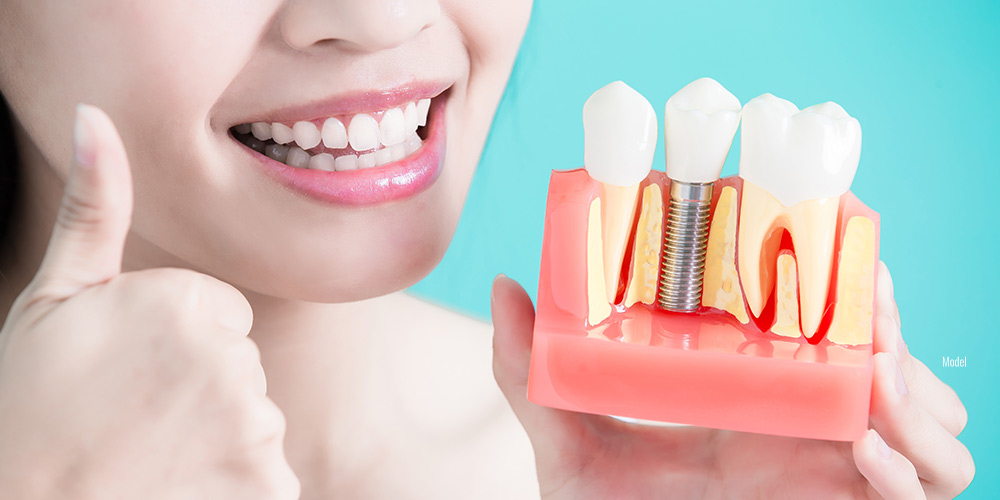
Dental implants have long been the gold standard for replacing missing teeth, offering a durable and natural-looking solution that restores both function and confidence. For decades, they have helped millions of people regain their smiles. However, the field of dentistry is always advancing, and the materials used for these crucial devices are no exception.
The Old Guard: Traditional Implant Materials
For many years, titanium has been the primary material used for dental implants. Its widespread use is due to a unique set of properties that make it well-suited for medical applications.
Titanium and Its Alloys
Titanium is known for its high strength-to-weight ratio, corrosion resistance, and biocompatibility. Biocompatibility means it’s not harmful to living tissue and the body generally doesn’t reject it. This allows for a process called osseointegration, where the jawbone grows directly onto the surface of the titanium implant, creating a stable and permanent foundation for the replacement tooth.
However, titanium is not without its drawbacks:
- Aesthetic Concerns: In patients with thin gums, the gray color of titanium can sometimes show through, creating a dark or shadowy appearance at the gumline.
- Allergic Reactions: Although rare, some individuals may have a sensitivity or allergy to titanium or the other metals in its alloys (like nickel or aluminum), which can lead to inflammation or implant failure.
- Thermal Conductivity: As a metal, titanium can conduct heat and cold. While not typically a major issue, some patients report sensitivity when consuming very hot or cold foods and drinks.
- Potential for Corrosion: Over many years, the implant can release tiny metallic particles into the surrounding tissues, which in some cases could lead to inflammation.
These limitations have driven the dental community to search for alternatives that can overcome these challenges and provide even better results for patients.
Tiny Tech, Big Impact: Nanotechnology in Dental Implants
Nanotechnology involves manipulating materials at an atomic and molecular scale. In dental implants, this technology is being used to enhance the surface of implants to improve how they interact with the body. Instead of creating a new material from scratch, nanotechnology modifies the surface of existing materials, like titanium, to give them super-powered properties.
The main goal of applying nanotechnology to dental implants is to speed up and strengthen osseointegration. By creating a nanostructured surface—one with incredibly small textures, patterns, and coatings—scientists can influence cellular behavior.
- Improved Cell Adhesion: The nano-textured surface mimics the natural environment of bone tissue, encouraging bone-forming cells (osteoblasts) to attach more quickly and securely to the implant.
- Faster Healing: A stronger initial bond means faster and more predictable healing. This can reduce the overall treatment time from implant placement to the final crown attachment.
- Antibacterial Properties: Nanoparticles of materials like silver or zinc oxide can be incorporated into the implant surface. These particles have natural antimicrobial properties that help prevent the formation of bacterial biofilm, a leading cause of implant failure and peri-implantitis (inflammation around the implant).
- Enhanced Durability: Nanocoatings can also make the implant surface harder and more resistant to wear and tear, potentially extending its lifespan.
By improving osseointegration and reducing the risk of infection, nanotechnology is making dental implants a more reliable and effective solution for an even wider range of patients.
Strong and Safe: The Rise of Bioceramics
Another exciting area of innovation is the use of bioceramics, particularly zirconia. Zirconia is a ceramic material that offers a compelling alternative to titanium, addressing many of its aesthetic and biological limitations.
Zirconia implants are often marketed as a “metal-free” option. They are white, which means they won’t create a dark shadow at the gumline, even in patients with thin or receding gums. This makes them an excellent choice for highly visible areas, like front teeth.
Key advantages of bioceramics like zirconia include:
- Superior Aesthetics: The tooth-like color of zirconia provides a more natural-looking result, completely eliminating the risk of a gray metal line showing through the gums.
- Excellent Biocompatibility: Zirconia is considered highly biocompatible and does not corrode or release particles over time. It’s an ideal choice for patients with known metal allergies or sensitivities.
- Low Plaque Accumulation: The smooth surface of ceramic is less prone to plaque and bacterial buildup compared to titanium, which may contribute to healthier gums around the implant.
- No Thermal Conductivity: As a ceramic, zirconia does not conduct heat or cold, eliminating any potential for temperature sensitivity.
While early versions of ceramic implants had issues with brittleness, modern zirconia implants are manufactured using advanced processes that make them incredibly strong and resistant to fracture. For those seeking comprehensive smile restorations, such as all-on-x dental implants available in Trinity, FL, these material advancements offer robust and aesthetically pleasing full-arch solutions.
The Future of Implant Innovation
The evolution of dental implant materials is far from over. Researchers are constantly working on the next generation of materials that combine the best properties of different substances.
Future trends include:
- Bioactive Materials: Implants that not only serve as a stable anchor but also actively promote bone growth by releasing ions or growth factors.
- PEEK (Polyetheretherketone): A high-performance polymer that has a similar elasticity to bone, which could reduce stress on the jaw and provide a “cushioning” effect during chewing.
- Composite Implants: Devices that combine materials, such as a zirconia implant with a nanotech-enhanced surface, to harness the benefits of both technologies.
- Smart Implants: Implants with embedded sensors that can monitor osseointegration and detect early signs of infection, allowing for proactive intervention.
Conclusion
The materials used in dental implants are evolving rapidly, moving beyond the traditional reliability of titanium to a new era of smarter, safer, and more aesthetically pleasing solutions. Innovations like nanotechnology and bioceramics are not just incremental improvements; they represent a significant leap forward in restorative dentistry.
