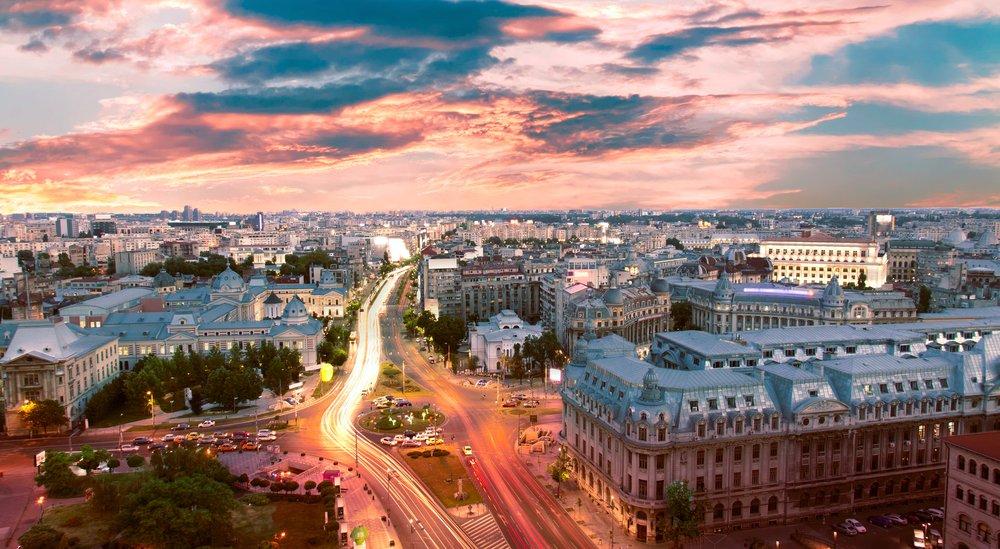
Thinking about moving to Romania? You’re not alone — thousands of expats make this leap every year, drawn by affordable living, EU membership, and a quality of life that surprises everyone who actually tries it. Romania joined the Schengen Area in early 2025, making travel across Europe seamless. The IT sector is booming, remote workers are flocking in, and the digital nomad visa has opened doors for freelancers worldwide. Let’s walk through what you really need to know before relocating to Romania.
Cost of Living — Why Expats Love the Numbers
The cost of living in Romania is dramatically lower than in Western Europe. A one-bedroom apartment in central Bucharest runs €400–700 per month. In cities like Brașov or Timișoara — even less. Utilities plus blazing-fast internet add roughly €100–150. Groceries from local markets are a revelation: fresh bread under a euro, seasonal vegetables that actually taste like something. A restaurant meal costs €8–12, craft beer — €2–3. A monthly transit pass in Bucharest? About €20. Romania’s flat 10% income tax is the cherry on top. Total monthly budget for a comfortable life: €850–1,450 for a single person. Earning a Western salary while living in Romania means saving more than you ever did back home.
Where to Live and How to Find Housing
Bucharest offers the most jobs and nightlife but comes with big-city chaos. Cluj-Napoca is the expat darling — cleaner, walkable, with a thriving tech scene. Timișoara charms with Austro-Hungarian architecture and a laid-back vibe. Brașov is a medieval gem at the foot of the Carpathians. For renting, check Imobiliare.ro, OLX.ro, and Facebook expat groups. Always get a written contract, visit in person before signing, and ask about association fees. Moving to Romania with a family? Prioritize proximity to international schools and green spaces — Herăstrău and Aviatorilor in Bucharest are popular for good reason.

Is Romania Safe?
Short answer: yes. Romania is one of the safer countries in the EU. Bucharest scores higher than Paris, London, and Berlin on Numbeo’s safety index. Violent crime rates are remarkably low. Women walk alone at night in city centers without anxiety. For a detailed, data-driven breakdown, check the crime statistics in Romania — the numbers speak for themselves. Petty crime exists (pickpocketing in crowded spots, occasional taxi scams), but standard urban awareness is all you need. This is a country where your neighbor brings you homemade cake when you move in, not one where you look over your shoulder.
Visas and Residency
EU citizens can live and work freely — just register after 90 days. Non-EU citizens need a long-stay visa from the Romanian embassy, then convert it to a residence permit within 90 days of arrival. The digital nomad visa is a game-changer for remote workers. Bring everything apostilled and translated. Pro tip: hire an immigration lawyer (a few hundred euros) — it’s worth every cent when navigating paperwork in a foreign language. Join expat Facebook groups for real-time advice from people who were in line at the immigration office last week.
Healthcare and Everyday Life
Most expats opt for private healthcare: €50–100/month, English-speaking doctors, short wait times. Dental care is excellent and cheap — “dental tourism” is a real industry here. Opening a bank account takes your passport and residence permit. Getting a phone number takes ten minutes. The internet is world-class — Romania ranks among Europe’s top countries for broadband speed. Learning basic Romanian earns enormous goodwill, but younger locals often speak excellent English. For comprehensive data about the country — from demographics to social trends — dateromania.com is an invaluable resource for anyone doing their homework.
Moving to Romania offers a rare combination: European quality of life, genuinely affordable living, stunning nature, and a warmth of community that’s hard to find elsewhere. Do your research, plan your paperwork, come with an open mind — and prepare to wonder why you didn’t do it sooner.
