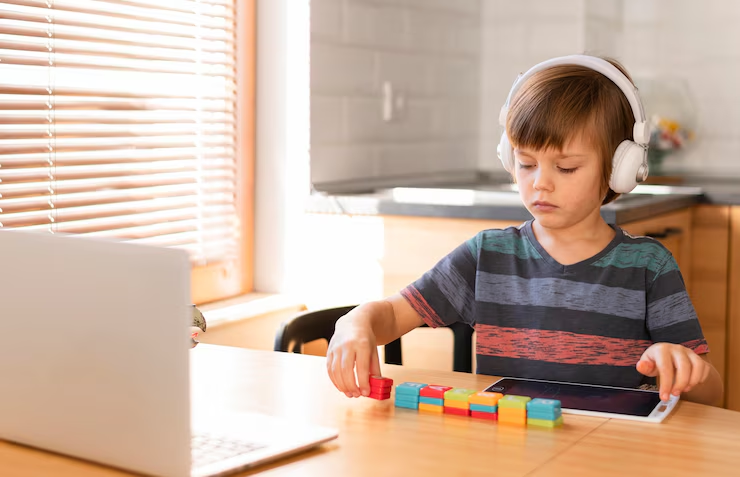
Your child walks through the door with that weird look again. The one that says school was another nightmare. Maybe it’s the bullying that won’t stop, or perhaps they’re a gifted dancer whose rehearsals clash with rigid timetables. Sometimes families just need something different for their child’s schooling.
When you start searching for the best online schools, you’re not just looking for an alternative. You’re looking for hope. A way to give your child the education they deserve without the drama, stress, and limitations of traditional schooling.
Why Most Parents Get This Wrong
Parents usually start their search at midnight, scrolling through dozens of websites that all look identical. Every school claims to be “outstanding” or “world-class,” but what does that actually mean?
The problem is that most families focus on the wrong things. They get caught up in flashy marketing instead of asking the hard questions that actually matter.
You might spend hours reading about curriculum details when you should be asking about teacher qualifications. Or you compare prices without understanding what support your child will actually receive.
What Really Matters When Choosing Online Education
Forget the glossy brochures for a minute. The schools worth your money share specific qualities you can verify before you enrol.
Real teachers make all the difference. Not recorded videos or computer programmes, but actual qualified teachers leading live lessons. Your child should be able to raise their hand, ask questions, and get immediate feedback.
Small class sizes aren’t just nice to have. They’re essential. If a school won’t tell you exactly how many students are in each class, that tells you everything. Quality programmes keep numbers low because they know personalised attention matters.
Look at their actual exam results, not their testimonials. Ask for specific percentages. How many students achieve their target grades? How many progress to their chosen universities? Good schools track these numbers religiously.
The Questions That Reveal Everything
When you contact schools, most admissions staff give you the same rehearsed answers. Ask these specific questions to get past the sales pitch.
“What support do you provide when students fall behind?”
Weak schools will mention online resources or suggest extra study time. Strong schools will explain their formative assessment processes and describe exactly how they identify struggling students early.
“How do you build a school community online?”
This question catches many schools off guard. The best ones understand that education isn’t just about lessons. They create genuine connections between students through projects, clubs, and social activities.
“Can you connect me with parents whose children have similar needs to mine?”
If they make excuses or seem reluctant, keep looking elsewhere.
Warning Signs to Watch For
Some red flags become obvious once you know what to spot.
Schools that refuse to let you observe lessons before enrolling are hiding something. Quality programmes welcome parent visits because they’re proud of their teaching.
Be wary of vague pricing or surprise fees. Education costs money, but honest schools tell you everything upfront. No hidden charges for exams, materials, or “technology fees” that appear later.
Programmes that rely heavily on self-paced learning might sound appealing, but they often leave children isolated. Yes, flexibility matters, but complete independence isn’t suitable for most young learners.
Differentiated instruction should be standard, not an expensive add-on. If schools charge extra for adapting their teaching to your child’s learning style, they don’t understand modern education.
The Money Conversation Nobody Wants
Quality online education isn’t cheap. Anyone promising excellent results at bargain prices is probably cutting corners somewhere important.
Budget realistically. Include technology costs, exam fees, and potential tutoring support. Many families underestimate these additional expenses and get nasty surprises later.
But here’s what’s interesting. When you factor in school uniforms, transport costs, lunch money, and endless fundraising requests, many online schools actually cost less than local private options.
Trust Your Instincts
After weeks of research, phone calls, and comparing options, your gut feeling matters enormously.
The right school won’t pressure you into quick decisions. They understand this choice affects your child’s future and give families proper time to consider their options carefully.
They also won’t promise miracle transformations overnight. Experienced educators know that changing schools requires adjustment time and patience from everyone involved.
What Actually Happens Next
Even brilliant online schools need settling-in time. Your child might need several weeks to adjust to new routines, different teaching styles, and online learning platforms.
Stay in regular contact with teachers during those crucial first months. Ask specific questions about participation levels, work quality, and social interactions with classmates.
Create proper learning spaces at home. Your kitchen table might work temporarily, but dedicated study areas help children take their education seriously.
Making It Work Long-term
Success with online learning depends partly on family commitment. You’re not teaching the lessons, but you’re supporting the learning process in ways that classroom parents never need to consider.
Establish clear boundaries around school time. Other family members need to understand when lessons are happening and respect that learning environment.
Monitor your child’s well-being carefully. Online learning suits many children brilliantly, but others might struggle with reduced face-to-face social contact.
The Reality Check
Finding excellent online education takes serious research and patience. But for families dealing with bullying, anxiety, scheduling conflicts, or frequent relocations, the effort transforms everything.
Your child deserves an education that recognises their individual needs and circumstances. The best online schools understand this completely and work tirelessly to deliver genuine quality education, not just convenient alternatives to traditional schooling.
Don’t rush this decision or settle for the first option that seems reasonable. Take time to visit programmes, speak with current families, and trust your parental instincts about what feels right.
The perfect online school for your family exists. Finding it just requires asking the right questions and knowing what really matters.
