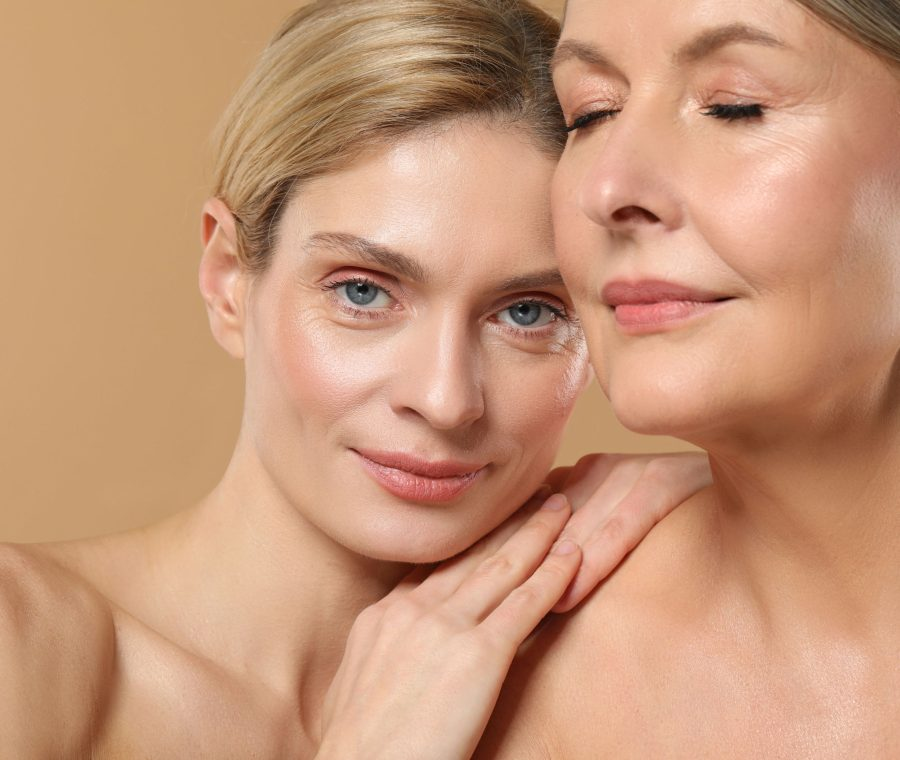
There’s a reason facial aesthetics has changed so much in the last decade. People don’t want a “new face.” They want their own face—just with less tiredness, fewer harsh shadows, and better balance. The modern approach is no longer about chasing one feature (bigger lips, sharper jawline, higher cheeks). It’s about harmony: how the face looks as a whole, how it moves, and how it reflects health and vitality.
That’s the real purpose of PLASTIC SURGERY Facial Aesthetics – not transformation, but refinement. It’s the science of proportion and the art of subtle improvement.
Why Facial Aesthetics Is Not Just “Beauty Work”
The face isn’t static. It’s your identity, your communication tool, and the first thing people read emotionally. Even small changes in the eyebrows, under-eye area, mouth corners, or jawline can change how you appear to others.
Facial aesthetics focuses on:
- balance (features working together)
- proportion (nothing overpowering anything else)
- expression (you still look like you when you smile, laugh, or talk)
- tissue quality (skin health, elasticity, glow)
A well-designed aesthetic plan doesn’t make people ask “what did you do?”
It makes them say “you look well.”
The “Face Map”: How Specialists Read Facial Imbalance
When someone says, “I look older” or “my face looks tired,” they’re rarely describing one problem. Usually it’s a combination of small shifts happening at the same time.
Aesthetic assessment typically looks at:
1) Facial thirds (upper, middle, lower)
The face is visually divided into three zones:
- forehead and brows
- eyes and cheeks
- mouth, chin, jawline
If one third becomes heavier, flatter, or droops more than the others, the face can look unbalanced even if the person is young.
2) Symmetry (but not perfection)
Absolute symmetry looks unnatural. What matters is whether asymmetry is distracting—like uneven brows, one cheek sitting lower, or one side looking more hollow.
3) Light and shadow patterns
Aging often creates deeper shadows:
- under the eyes
- around the nose
- beside the mouth
- under the jawline
Facial aesthetics aims to soften harsh shadowing, because shadow is what makes the face look tired or older.
The Biggest Myth: Wrinkles Are the Main Problem
Wrinkles are only one part of aging—and often not the most important one.
The more significant changes usually happen underneath:
- bone support subtly reduces
- fat pads shift downward
- skin becomes thinner and less elastic
- facial muscles pull features downward over time
This is why treating wrinkles alone can look incomplete. You might smooth lines but still look tired because the structure and support aren’t addressed.
The Modern Approach: Natural Movement, Better Support
A good facial aesthetics plan typically targets three layers, not one.
Layer 1: Expression control (dynamic lines)
Some lines come from repeated movement—frowning, squinting, raising brows. Instead of freezing the face, the goal is controlled relaxation so the face looks softer without losing expression.
Layer 2: Structural support (volume and contour)
Volume is not used to “inflate” the face. It’s used to rebuild support so tissues sit where they should.
The difference is subtle but important:
- bad volume = puffiness
- smart volume = lift + structure
Layer 3: Skin quality (the finish)
Even the best contouring looks incomplete if skin looks dull, rough, or uneven. Modern facial aesthetics pays attention to:
- texture
- pores
- pigmentation
- elasticity
- overall glow
Because skin quality is what makes results look expensive and natural.
“Prejuvenation”: Why Younger People Are Doing Facial Aesthetics
A growing number of patients start aesthetic treatments earlier—not because they want dramatic change, but because they want to maintain what they already have.
Prejuvenation is about:
- preventing deep static lines from forming
- supporting collagen production early
- maintaining skin quality long-term
- making aging look slower and softer
It’s the difference between repairing later vs maintaining early.
Facial Aesthetics for Men vs Women (And Why It Matters)
One major reason aesthetic results can look “off” is when treatment ignores gender-specific facial structure.
Common female aesthetic goals
- softer jawline definition
- cheek highlights and smooth curves
- refined lower face balance
- gentle, natural-looking freshness
Common male aesthetic goals
- sharper jawline angles
- stronger chin projection
- flatter cheeks (less roundness)
- structured, chiseled definition
Good facial aesthetics respects these differences and enhances what naturally fits the person’s face.
What Makes Results Look “Overdone”?
Overdone results rarely happen because someone wanted to look unnatural. They happen because of:
- treating one feature without balancing the rest
- adding too much volume in the wrong plane
- repeating treatments too frequently
- ignoring the natural face shape and movement
Modern facial aesthetics avoids extremes. The best work is subtle enough that the person still looks familiar in every angle and expression.
Why a Medical Setting Matters
Facial aesthetics is not only about appearance—it’s anatomy, nerve pathways, vascular safety, tissue behavior, and long-term planning.
In a full clinical environment, patients often feel more confident because treatment planning includes deeper medical evaluation and long-term safety. Many people begin their facial aesthetic journey through Liv Hospital because it offers a structured, medically guided approach rather than trend-driven cosmetic decisions.
Long-Term Facial Aesthetics: The Lifestyle Side (Last Thought)
Even the most refined aesthetic plan benefits from daily habits that protect skin and tissue health—sleep quality, hydration, nutrition, stress management, and sun protection. If you want lifestyle ideas that support healthy aging and help you maintain a refreshed look long-term, you can explore wellness content at live and feel.
