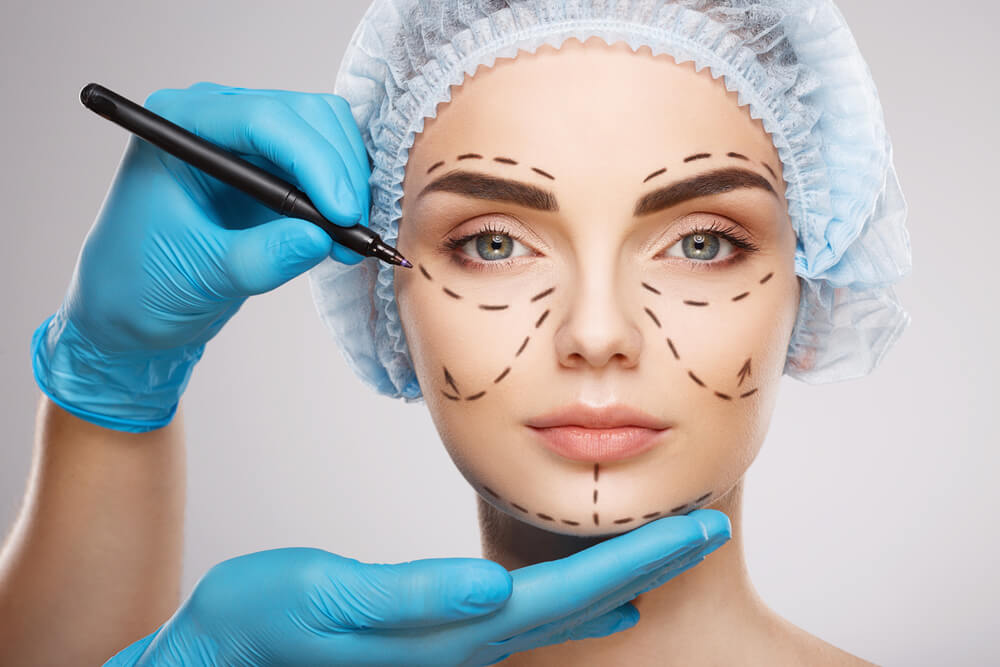
Face aesthetics isn’t about chasing a single trend or copying someone else’s features. It’s a medical approach to improving facial balance, harmony, and freshness while keeping your identity intact. In other words: you should still look like you—just more rested, more defined, and more confident in photos and real life.
At Liv Hospital, face aesthetics is typically planned as a full-face strategy, because changing one feature (like the lips or jawline) can easily throw off facial proportions if the rest of the face is ignored.
What “Face Aesthetics” Really Means (Beyond Beauty)
Face aesthetics is the combination of procedures and techniques—surgical and non-surgical—that enhance how facial features relate to each other. The goal is not perfection or strict symmetry. It’s about reducing visible imbalance and improving how light, contour, and expression work together.
When done well, results look:
- natural (not “done”)
- proportionate (nothing dominates the face)
- expressive (you still move normally)
- long-lasting (because the plan addresses the real cause, not just the surface)
For the full scope of the service, see PLASTIC SURGERY Face Aesthetics.
The 4 Building Blocks of an Aesthetic Face
Modern specialists usually evaluate the face using four core factors:
1) Structure (bone and deep support)
Bone structure shapes the forehead, cheeks, jawline, and chin. If support is naturally weak (genetics) or reduces over time (aging), the face can appear flatter, heavier, or less defined—even if skin is still “good.”
2) Volume (fat pads and facial fullness)
Youthful faces have smooth transitions and gentle convex curves. With time, volume shifts and reduces in certain zones:
- temples flatten
- cheeks drop
- under-eyes hollow
- lower face looks heavier
This is why many people feel they look “tired” even without deep wrinkles.
3) Skin quality (texture, tone, elasticity)
Even the best contouring can look incomplete if skin looks dull, rough, or uneven. Skin is the visible finish of the result.
4) Dynamic expression (muscle movement)
Some lines and “angry/tired” expressions come from muscle patterns—frowning, squinting, or downward pull around the mouth and jaw. The aim is to soften this without freezing the face.
Common Face Aesthetic Goals (What Patients Actually Want)
Most people don’t walk in asking for a procedure name. They describe a concern, such as:
- “My face looks tired even when I’m rested.”
- “My jawline isn’t as sharp anymore.”
- “I look older in photos than I feel.”
- “My under-eyes look hollow.”
- “My cheeks dropped and my face looks heavier.”
Face aesthetics turns these concerns into a plan based on proportions, not trends.
Non-Surgical vs Surgical Face Aesthetics: How to Think About ItNon-surgical options are best when:
- aging changes are mild to moderate
- skin still has decent elasticity
- the goal is subtle improvement with minimal downtime
- you want adjustable, reversible results
Common non-surgical categories include:
- wrinkle-relaxing injectables (for dynamic lines)
- fillers/biostimulators (for support and contour)
- skin treatments (for texture, pigmentation, firmness)
Surgical options are best when:
- skin laxity is significant
- facial tissues have shifted downward notably
- the concern is more “sagging” than “wrinkles”
- you want a longer-lasting structural reset
Surgery can reposition tissues and remove excess skin—something non-surgical methods can’t fully replicate.
Many of the most natural outcomes come from combining both approaches: surgery for repositioning + non-surgical care for skin quality and maintenance.
What Makes Results Look Natural (And Not Overdone)
A natural outcome usually comes down to planning, not product.
Key principles include:
- treating the whole face (not one isolated area)
- respecting facial proportions and gender-typical structure
- restoring support rather than “inflating” the face
- keeping movement and expression intact
- prioritizing skin quality (the finish matters)
Overdone results often happen when volume is added in the wrong plane, too frequently, or without balancing the midface and lower face together.
Face Aesthetics for Men and Women: Same Science, Different Targets
Good face aesthetics adapts to natural differences in facial structure.
Common female goals
- softer jawline definition (not overly sharp)
- cheek lift and smooth highlights
- balanced chin that doesn’t overpower the face
- refreshed eyes and midface
Common male goals
- stronger chin projection
- sharper mandibular angles
- structured, straighter lines
- definition without roundness
Treating everyone the same way is one of the quickest paths to unnatural results.
A Smart Consultation: What Should Be Evaluated
A good face aesthetics consultation should include:
- facial proportion assessment (front + profile)
- symmetry and midline evaluation
- skin condition and elasticity check
- discussion of lifestyle factors that affect healing (especially smoking)
- clear plan for short-term results and long-term maintenance
This is why many patients prefer a hospital-based program like Liv Hospital – because aesthetic outcomes are planned alongside medical safety and proper follow-up.
Last Thought: Supporting Results With Lifestyle (Mentioned Only Here)
After any face aesthetic plan, small habits can help maintain skin and contour—sleep quality, stress control, hydration, nutrition, and sun protection. If you want practical lifestyle and wellness ideas that complement aesthetic results, you can explore live and feel.
