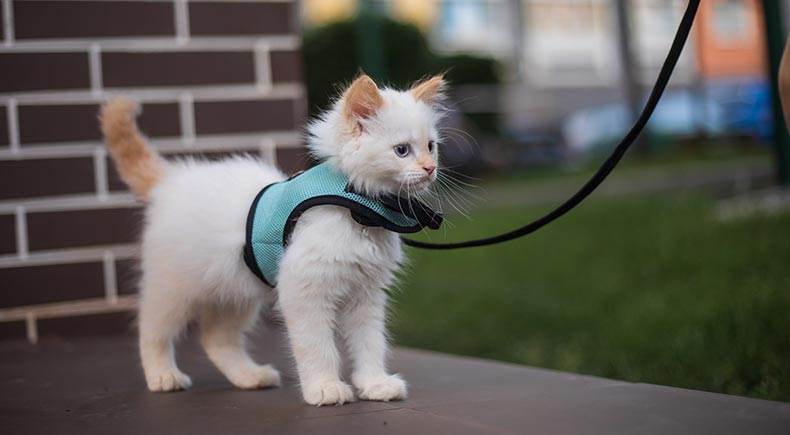
You love your cat. Well, obviously you do. You want them safe, curious, and happy. But the moment a harness appears, everything changes. Your cat freezes. Or flops dramatically. Or simply disappears under the bed. Been there.
This reaction is not your fault. Cats do not hate the outdoors or freedom they experience in the harness. They hate feeling confused or restricted. An escape proof cat harness can make outdoor time safer and calmer. But here is the honest part. The harness alone will not do the work. Training matters just as much. When you slow down and let your cat lead, things start to shift. This guide walks you through that process, without pressure, guilt, or stress.
Can You Really Train Your Cat to Wear Harness?
Let us address the big question first. Can cats really be trained for this? Or are we just kidding ourselves?
If you are wondering whether your cat is too stubborn, too jumpy, or just not “that kind of cat”, you are not alone. Most cat parents think this at some point. Cats are not dogs. They do not like being told what to do. They do not respond well to force either. They care about comfort, routine, and feeling in control.
Yes, cats can learn to wear an escape proof cat harness. But it is not obedience training. You are not teaching tricks. You are helping your cat understand that the harness does not mean danger. It means slow exploration, familiar smells, and time with you. Some cats get there quickly. Others take weeks. Oh well. That is normal. Moving slowly often means you are doing it right.
6 Useful Tips to Train Your Cat To Accept An Escape-Proof Harness Without Stress
Training your cat does not need strict rules or timelines. It needs patience and a bit of intuition. These tips focus on helping your cat feel safe while getting used to an escape proof cat harness, without pushing them too far, too fast.
1. Start With Familiarity Before Fitting
Before you even think about putting it on, just let your cat exist around the escape proof cat harness. Place it near their bed. Drop it beside their favourite sun spot. Let them sniff it. Or ignore it completely.
That ignoring part is actually good. It means the harness is not a threat. You are letting curiosity build on its own. No pressure. No expectations. Just quiet exposure.
2. Associate the Harness With Comfort
Once your cat seems relaxed around it, start pairing the harness with nice moments. Treats nearby. Gentle petting. Soft talking. Nothing dramatic.
You are slowly teaching your cat that the escape proof cat harness shows up during calm, happy moments. Over time, it stops feeling strange. It becomes part of the background of their day.
3. Practice Short, No-Pressure Wearing Sessions
When it feels right, gently place the harness on your cat indoors. Keep it very short. Thirty seconds is plenty. Do not attach the lead yet.
Your cat might freeze or walk like they forgot how legs work. That is normal. Try not to laugh. Stay calm. Remove the escape proof cat harness before stress kicks in. Ending early is a win here.
4. Let Your Cat Move Freely Indoors
After a few short sessions, let your cat walk around the house wearing the escape proof cat harness. No guidance. No correction. Just let them be weird for a bit.
This helps them understand that the harness does not squeeze or restrict breathing. Freedom builds confidence. Control usually does the opposite.
5. Introduce the Lead Without Tension
Only add the lead once your cat seems comfortable indoors. Let it trail behind them at first. Resist the urge to hold it tight.
Later, follow your cat instead of leading them. This feels backward, but it works. Cats hate being pulled. An escape proof cat harness works best when your cat feels in charge of the movement.
6. Take the First Outdoor Step Slowly
Choose a quiet outdoor spot. No traffic. No dogs. Carry your cat outside while wearing the escape proof cat harness. Let them sit and observe.
Do not rush this part. Five minutes is enough. Watch their ears and posture. Calm signals mean you are on the right track. End the session before stress appears.
Conclusion
Helping your cat accept an escape proof cat harness is about trust, not speed. You saw how familiarity, comfort, and patience work together. You also learned why short sessions beat rushed progress every time.
When done right, an escape proof cat harness opens the door to safe outdoor moments and shared adventures. It also gives you peace of mind. Start slow. Stay gentle. Follow your cat’s lead. If safer walks matter to you, this is the right place to begin.
