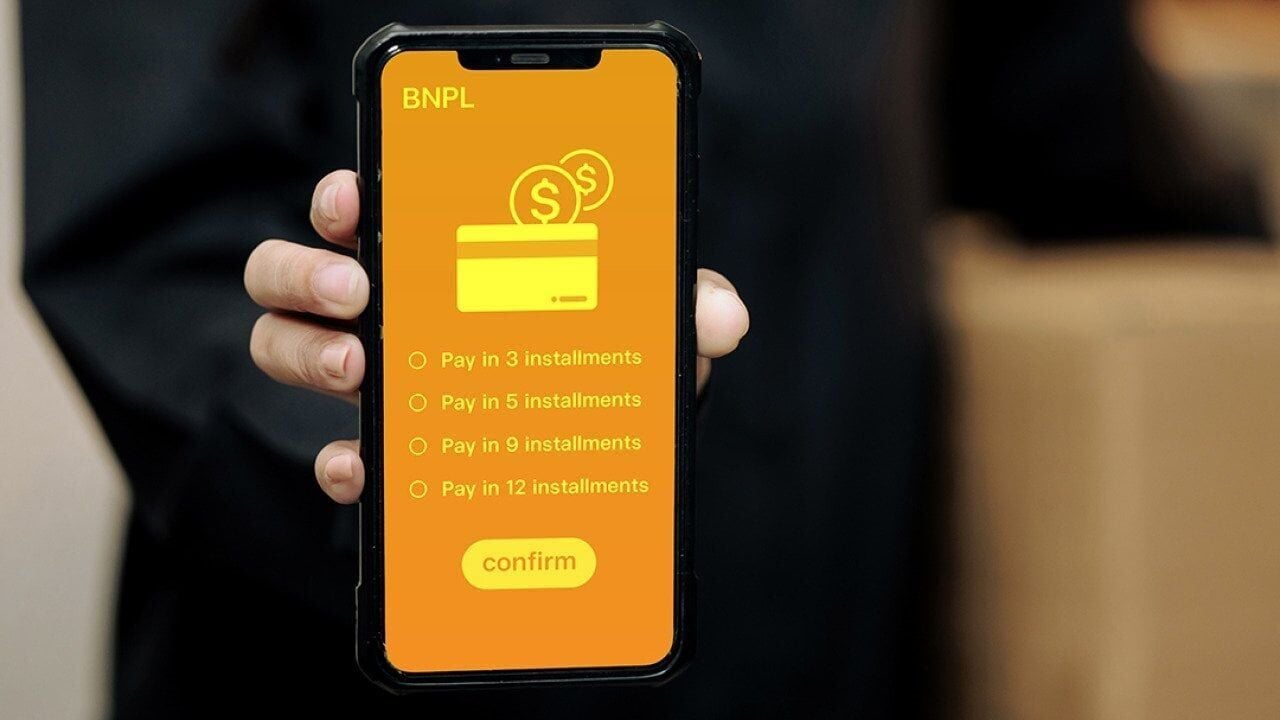
1 hour loans are now subject to stronger verification standards following regulatory amendments aimed at improving consumer protections. These procedures have slowed formerly speedy approval processes, ensuring that borrowers complete extensive identity and credit checks.
On June 10, 2025, Australia’s fast loan business suffered a dramatic legislative shift with the adoption of heightened compliance regulations. The Treasury Laws Amendment (Responsible Buy Now Pay Later and Other Measures) Act 2024 increased regulation beyond BNPL platforms such as Afterpay and Zip to cover rapid personal loan providers. This has resulted in a fundamental restructuring of operational norms throughout the nation’s rapid credit market, raising approval times from the customary 60 minutes to several hours in the majority of situations.
Regulatory Framework: Understanding the June 2025 Changes
The new regulations introduced “low cost credit contracts” as a distinct regulatory category, capturing most BNPL products and numerous fast personal loan offerings. From June 10, 2025, providers operating in this space must hold an Australian Credit Licence, maintain Australian Financial Complaints Authority membership, and comply with responsible lending obligations historically applied to traditional financial institutions.
Market data illustrates why regulators intervened. Australia’s BNPL sector processed $19 billion in transactions during the 2022-23 financial year, representing approximately 2% of all Australian card purchases. Usage penetration among younger demographics reached 40% for Australians aged 18 to 39, making this one of the fastest growing credit categories in the country.
For providers offering rapid approval loans, the regulatory shift imposed immediate operational changes. Mandatory credit checks now apply regardless of loan amount. Detailed affordability assessments must verify borrowers can manage repayments without financial hardship. Income verification requirements expanded to include comprehensive bank statement analysis covering 90-day periods.
The Australian Securities and Investments Commission’s Regulatory Guide 281, released in May 2025, established clear compliance expectations. Lenders must demonstrate borrowers possess genuine capacity to repay before approval, closing loopholes that previously allowed lighter verification for smaller loan amounts.
Operational Impact on Fast Loan Services
Traditional 1 hour loans and BNPL products share fundamental characteristics that justified unified regulatory treatment. Both provide quick access to modest credit amounts. Both historically employed streamlined verification processes compared to conventional bank lending. The 2025 framework recognised these parallels and applied consistent consumer protection standards, eliminating regulatory arbitrage opportunities.
Enhanced Verification Requirements: KYC Under the New Framework
Know Your Customer protocols expanded substantially under the 2025 regulatory regime. AUSTRAC’s updated guidance mandates risk-based approaches with assessment frameworks subject to mandatory review every three years minimum. These requirements flow through to all credit providers, including those specialising in rapid approval products.
Core Documentation Requirements:
- Government-issued photo identification (driver’s licence, passport, Medicare card)
- Income verification covering three-month periods (payslips, tax returns, Centrelink statements)
- Banking transaction history spanning 90 days minimum
- Residential address confirmation through utility accounts or tenancy agreements
- Employment verification including employer contact details
The 2025 framework distinguishes itself through verification depth rather than documentation variety. Automated identity checks that previously satisfied compliance standards now require manual review components in many cases. Open Banking integration enables real-time access to applicant financial data, but simultaneously allows lenders to scrutinise spending patterns more comprehensively.
Affordability assessment obligations represent the most significant operational change. Lenders cannot simply confirm income existence. Regulations require thorough analysis of regular expenses, existing debt obligations, and overall financial positioning to determine repayment capacity without causing applicant hardship. This consumer protection mechanism necessarily extends processing timeframes.
Self-employed applicants and those receiving Centrelink benefits as primary income face additional verification layers. Business financial statements, comprehensive tax documentation, and detailed expense breakdowns become standard requirements. Regulatory emphasis on preventing unsuitable lending means providers typically request additional information when initial applications appear incomplete.
Timeline Expectations: Realistic Approval Processes Post-Regulation
Pre-June 10, 2025 Standards:
Online applications required 5 to 8 minutes completion time. Identity verification occurred through instant automated systems. Income confirmation accepted basic payslip documentation. Approval decisions arrived within one-hour windows during business hours. Fund transfers completed in 60 minutes via Osko or NPP networks. Total application-to-funding duration: 1 to 2 hours.
Post-June 10, 2025 Reality:
Application completion extends to 10 to 15 minutes reflecting additional mandatory questions. Identity verification incorporates enhanced biometric checks plus manual review elements. Income verification demands bank statement analysis and frequently includes Open Banking data integration. Mandatory credit bureau checks add 15 to 30 minutes to processing. Comprehensive affordability assessments analyse complete financial profiles. Realistic decision timeframes span 2 to 4 hours for thorough verification. Fund transfers maintain 60-minute standards via Osko post-approval. Total application-to-funding duration: 3 to 5 hours under optimal conditions.
Same-day funding remains achievable but requires strategic timing. Applications submitted Monday through Thursday between 9am and 2pm AEST demonstrate highest same-day completion rates. Friday afternoon submissions or weekend applications typically process during the following business week due to manual review requirements.
Major providers adapted operational systems to maintain competitive positioning while ensuring regulatory compliance.CashPal, having processed over 200,000 loan applications across six years of operations, implemented automated bank linking technology to streamline verification processes. The platform maintains 60-minute fund transfer capabilities post-approval while extending overall processing to accommodate enhanced KYC requirements.
Application Optimisation: Maximising Approval Efficiency
Pre-Application Preparation:
- Assemble complete digital documentation including government-issued identification, three months of income verification, and 90 days of banking transaction history before commencing applications.
- Conduct preliminary bank statement review to identify potential verification complications such as gambling transactions, frequent overdraft occurrences, or dishonoured payment patterns.
- Calculate comprehensive monthly expenses accurately, including housing costs, utilities, groceries, transportation, insurance premiums, subscription services, and existing credit commitments.
- Obtain free credit reports through Equifax, Experian, or illion to understand lender perspectives and prepare explanations for any adverse credit events.
- Determine realistic borrowing amounts aligned with genuine repayment capacity rather than maximum available limits.
The regulatory framework mandates lender rejection of applications where repayment obligations would cause borrower financial stress. This consumer protection mechanism operates regardless of applicant urgency, fundamentally shifting approval criteria toward sustainable lending practices.
Consumer Protection Enhancements Under 2025 Framework
While extended verification procedures may present inconvenience during urgent financial needs, the regulatory changes deliver substantial consumer safeguards:
Legal protection from unaffordable credit now exists across the lending spectrum. Providers must demonstrate borrower repayment capacity before approval, reducing debt spiral risks that previously affected vulnerable Australians. Universal AFCA membership among licensed lenders ensures access to free, independent dispute resolution mechanisms. Consumers experiencing lender-related difficulties can contact AFCA at 1800 931 678.
Fee disclosure transparency improved markedly. Comparison rate publication requirements enable accurate borrowing cost assessment beyond headline interest rates. Consistent credit bureau reporting of BNPL and fast loan activity means responsible repayment behaviour contributes to credit score development rather than remaining invisible to future lenders.
Financial hardship consideration obligations represent critical consumer protections. Lenders must evaluate hardship requests and develop appropriate payment arrangements when borrower circumstances change. This regulatory requirement didn’t apply to numerous providers before June 2025 implementation.
Research data from Experian and Afterpay indicates 62% of BNPL users express increased confidence in regulated service delivery. Despite low specific awareness of regulatory details, consumer sentiment strongly supports the protective framework implementation.
Alternative Financial Solutions for Urgent Needs
When standard 1 hour loans processing timeframes don’t align with emergency requirements, several alternatives warrant consideration:
- No-Interest Loan Scheme (NILS): Community organisations administer interest-free loans up to $1,500 for essential purchases. Repayment periods extend 12 to 18 months with no fees charged. Income thresholds apply, but credit history doesn’t determine eligibility.
- Centrelink Advance Payments: Recipients of government benefits can access advance payments recovered through future benefit reductions. Applications process through humanservices.gov.au/advancepayments.
- Provider Payment Arrangements: Direct negotiation with utility suppliers, landlords, or service providers frequently yields hardship payment plans preferential to unpaid obligations.
- Financial Counselling Services: The National Debt Helpline (1800 007 007) delivers free, confidential advice including creditor negotiation, emergency relief identification, and comprehensive option assessment.
Critical consumer protection reminder: verify all lender licensing through ASIC’s public register before submitting applications. Unlicensed operators present significant financial risks and legal complications.
Industry Outlook and Consumer Implications
The June 2025 regulatory implementation reshaped Australia’s fast lending landscape, prioritising consumer protection over processing speed. Quick approval products remain available with responsible lending safeguards preventing unsuitable credit extension. Strategic application timing and thorough documentation preparation enable same-day funding for most qualifying Australians.
Providers like CashPal adapted operational systems to balance regulatory compliance with service delivery efficiency, demonstrating industry capacity to maintain product availability under enhanced oversight frameworks. The broader lending sector continues developing technology-enabled verification solutions that satisfy regulatory requirements while minimising consumer friction.
Long-term consumer benefits justify short-term processing extensions. Comprehensive credit assessments prevent financial hardship arising from unsuitable lending decisions. As regulatory awareness increases across the consumer population, informed borrowing decisions will support sustainable personal finance management.
Before pursuing any credit product, consumers should verify lender licensing status, compare multiple provider offerings, and review personal credit reports quarterly. Most importantly, recognition that regulatory frameworks exist primarily for consumer protection helps contextualise slightly extended approval processes as worthwhile safeguards against potentially harmful lending practices.
