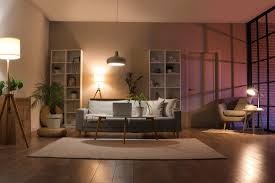
Lighting plays a crucial role in creating the atmosphere, functionality, and overall appeal of any living space. Whether you are renovating your home, decorating a new apartment, or simply upgrading a room, selecting the right lighting solutions can dramatically improve both aesthetics and comfort. From elegant ceiling fixtures to practical bedside lamps, modern lighting options provide endless opportunities to personalize your interior spaces.
Homeowners today understand that lighting is much more than a necessity. It serves as a design element that highlights architectural features, enhances décor, and contributes to the mood of a room. The growing demand for premium lights sydney reflects the increasing interest in combining functionality with sophisticated design.
The Importance of Quality Lighting
Lighting affects every aspect of a home’s environment. Poor lighting can make even the most beautifully designed room feel dull and uninviting, while carefully selected fixtures can instantly transform a space into one that feels warm, welcoming, and stylish.
Quality lighting offers numerous benefits, including:
- Improved visibility and comfort
- Enhanced interior aesthetics
- Increased property value
- Better productivity and focus
- Greater energy efficiency
- Enhanced mood and wellbeing
A well-planned lighting scheme typically combines ambient, task, and accent lighting to create a balanced and functional environment.
Understanding Different Types of Home Lighting
Before purchasing lighting fixtures, it is important to understand the various categories available and how they serve different purposes.
Ambient Lighting
Ambient lighting serves as the primary source of illumination in a room. It provides general brightness that allows occupants to move comfortably throughout the space.
Common ambient lighting options include:
- Ceiling-mounted fixtures
- Chandeliers
- Pendant lights
- Recessed downlights
- Track lighting
The goal of ambient lighting is to provide consistent illumination without creating harsh shadows.
Task Lighting
Task lighting focuses on specific activities that require enhanced visibility. This type of lighting is commonly used in workspaces, kitchens, study areas, and reading corners.
Examples include:
- Desk lamps
- Under-cabinet kitchen lights
- Reading lamps
- Vanity lighting
- Bedside lamps
Task lighting helps reduce eye strain while improving efficiency and comfort.
Accent Lighting
Accent lighting highlights decorative features or focal points within a room. It adds depth and visual interest by drawing attention to artwork, architectural details, or statement furniture pieces.
Popular accent lighting choices include:
- Wall sconces
- Spotlights
- Picture lights
- LED strip lighting
- Decorative lamps
Why Lighting Design Matters
Many homeowners focus extensively on furniture and décor while overlooking the importance of lighting design. However, lighting often has a greater impact on the feel of a room than any other design element.
A well-designed lighting plan can:
- Make small rooms appear larger
- Create cozy and intimate settings
- Highlight key design features
- Improve functionality
- Add luxury and sophistication
Professional designers often layer multiple light sources throughout a room to achieve balance and flexibility.
Choosing the Right Lighting for Every Room
Different rooms have different lighting requirements. Understanding these needs can help homeowners make informed purchasing decisions.
Living Room Lighting
The living room serves multiple functions, from entertaining guests to relaxing with family. Therefore, it benefits from a combination of ambient, task, and accent lighting.
Recommended options include:
- Statement chandeliers
- Floor lamps
- Wall sconces
- Decorative table lamps
- LED accent lighting
Layered lighting allows homeowners to adjust the atmosphere based on different activities and occasions.
Bedroom Lighting
Bedrooms should promote relaxation and comfort. Soft, warm lighting works best in these environments.
Popular bedroom lighting solutions include:
- Bedside lamps
- Dimmable ceiling lights
- Pendant lights
- Wall-mounted reading lamps
The right lighting can significantly improve sleep quality and create a peaceful retreat.
Kitchen Lighting
The kitchen requires bright and practical lighting to support food preparation and cooking tasks.
Effective kitchen lighting often includes:
- Recessed ceiling lights
- Pendant lights over islands
- Under-cabinet lighting
- Task lighting for work surfaces
Combining multiple light sources helps eliminate shadows and improve visibility.
Dining Room Lighting
Dining room lighting should create a welcoming atmosphere while enhancing the visual appeal of the space.
Many homeowners choose:
- Chandeliers
- Pendant lighting
- Dimmable fixtures
- Decorative wall lighting
Adjustable lighting allows users to create different moods for family dinners and special occasions.
The Growing Popularity of Decorative Lamps
Decorative lamps have become increasingly popular because they combine functionality with style. These versatile fixtures can serve as focal points while providing practical illumination.
Lamps are available in countless designs, including:
- Contemporary styles
- Industrial designs
- Scandinavian-inspired pieces
- Traditional lamps
- Minimalist options
Their flexibility makes them ideal for both large and small spaces.
Why Table Lamps Remain a Timeless Choice
Among all decorative lighting options, table lamps continue to be one of the most versatile and practical choices for homeowners. A carefully selected table lamp sydney can instantly enhance the appearance of a room while providing targeted lighting where it is needed most.
Table lamps offer several advantages:
Flexibility
Unlike fixed fixtures, table lamps can be moved easily to different locations as needs change.
Decorative Appeal
Available in countless styles, materials, and finishes, table lamps can complement virtually any interior design theme.
Functional Lighting
They provide focused illumination for reading, working, or relaxing without requiring extensive installation.
Layered Lighting
Table lamps contribute to layered lighting schemes that improve comfort and visual balance.
Whether placed on bedside tables, console tables, desks, or sideboards, table lamps remain an essential component of modern interior design.
Current Lighting Trends
The lighting industry continues to evolve as homeowners seek innovative and stylish solutions.
Some of the most popular trends include:
Smart Lighting
Smart lighting systems allow users to control brightness, colour temperature, and schedules through mobile apps and voice assistants.
Sustainable Lighting
Energy-efficient LED technology has become the preferred choice for environmentally conscious homeowners.
Minimalist Designs
Clean lines, simple shapes, and understated elegance continue to dominate modern interiors.
Natural Materials
Wood, stone, rattan, and other natural materials are increasingly incorporated into lighting designs.
Statement Fixtures
Large-scale pendants and artistic lighting installations are becoming focal points in contemporary homes.
Energy Efficiency and Modern Lighting
Energy efficiency is now a major consideration when selecting lighting products. LED technology offers substantial advantages over traditional incandescent and halogen bulbs.
Benefits include:
- Lower electricity consumption
- Longer lifespan
- Reduced maintenance costs
- Lower heat output
- Environmentally friendly performance
Many modern lighting fixtures are specifically designed to maximize the benefits of LED technology while maintaining exceptional aesthetics.
Tips for Selecting the Perfect Lighting
When choosing lighting for your home, consider the following factors:
Room Size
Larger rooms often require multiple light sources to ensure even illumination.
Ceiling Height
Fixture size and placement should be proportional to ceiling height and room dimensions.
Colour Temperature
Warm white lighting creates a cozy atmosphere, while cooler tones support focus and productivity.
Interior Style
Lighting should complement existing furniture, colours, and architectural features.
Functionality
Consider how the space is used and select lighting that supports those activities.
Creating a Cohesive Lighting Scheme
Consistency is key when designing a home’s lighting plan. While each room may have unique requirements, maintaining a cohesive style throughout the property creates visual harmony.
A successful lighting scheme often includes:
- Coordinated finishes
- Similar design themes
- Consistent colour temperatures
- Balanced light levels
- Strategic placement of fixtures
This approach helps unify different spaces while maintaining their individual functions.
The Future of Home Lighting
As technology continues to advance, lighting solutions are becoming smarter, more efficient, and increasingly customizable. Homeowners now have access to innovative products that combine advanced functionality with exceptional design.
Future trends are likely to include:
- Enhanced smart home integration
- Greater energy efficiency
- Adaptive lighting systems
- Personalized lighting experiences
- Sustainable manufacturing practices
These developments will continue to shape the way people illuminate and enjoy their living spaces.
Conclusion
Lighting is one of the most influential elements in interior design, affecting everything from functionality and comfort to aesthetics and mood. Whether you’re updating a single room or planning a complete home renovation, investing in quality lighting can significantly enhance your living environment.
By understanding the different types of lighting, embracing modern trends, and carefully selecting fixtures that complement your space, homeowners can create beautiful and functional interiors. From statement ceiling fixtures to elegant table lamps, the right lighting choices have the power to transform any home into a stylish, welcoming, and highly functional space.

