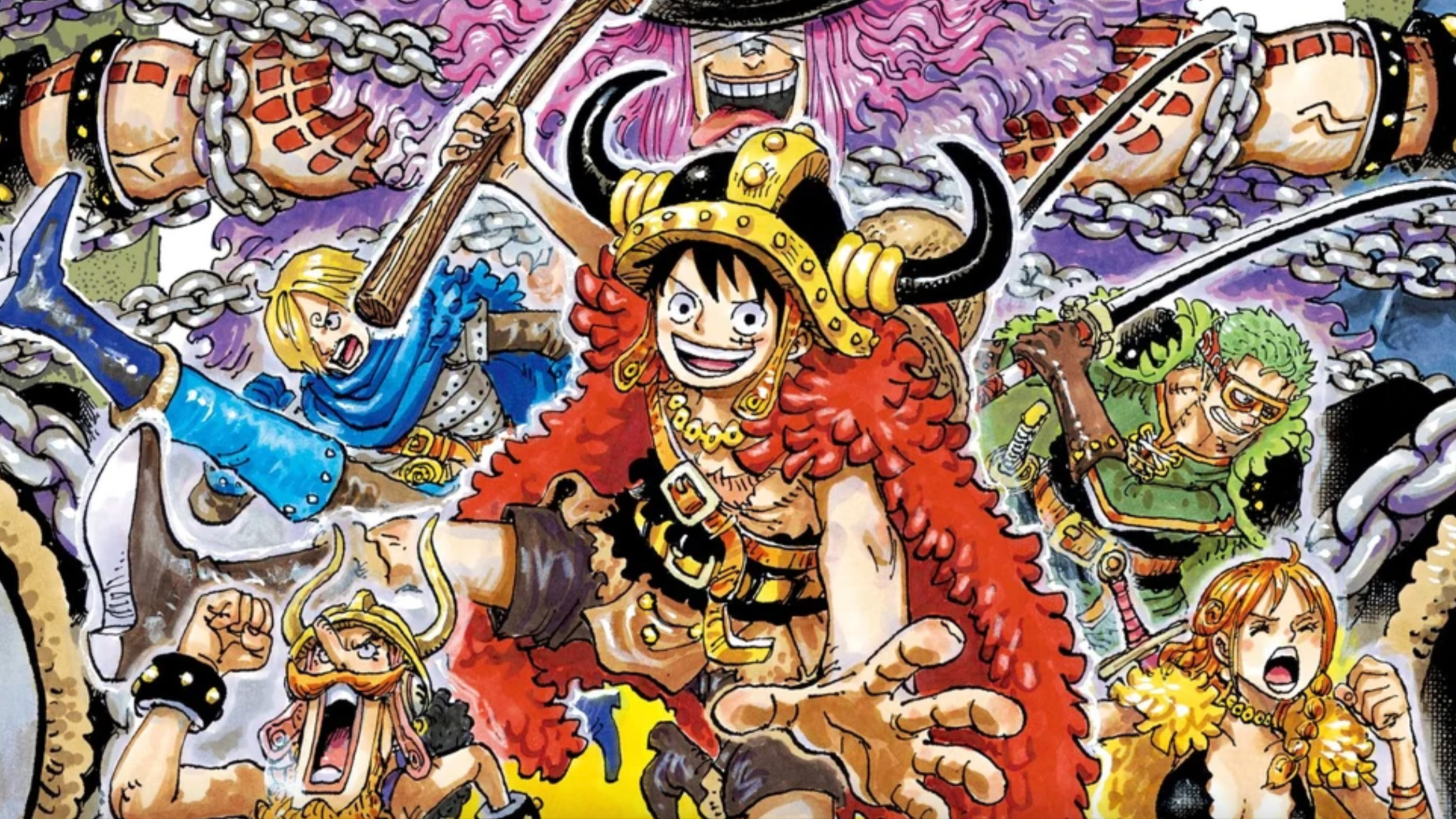
A boy who cannot swim sets out to conquer the seas. That simple paradox marks the beginning of one of the most ambitious narratives ever written in manga. When readers ask, “What is the story of One Piece?”, they are often looking for more than a summary. They want to understand how this pirate adventure became a global phenomenon, why Monkey D. Luffy’s journey feels so powerful, and what lies behind the mythical treasure known as the One Piece. The answer unfolds across oceans, wars, political conspiracies and deeply human bonds. Created by Eiichiro Oda, One Piece is not merely a tale of pirates searching for gold. It is a layered epic about freedom, inherited will, broken systems and personal conviction. Its story stretches across decades of publication, yet remains remarkably coherent. To grasp it fully, one must follow Luffy’s dream, explore the world’s hidden history and confront the forces that shape this vast universe.
The beginning of Luffy’s journey
The story begins in East Blue, a relatively peaceful sea compared to the dangerous Grand Line. Monkey D. Luffy, inspired by the pirate Red-Haired Shanks, dreams of becoming King of the Pirates. His definition of that title is simple yet radical: the freest person on the seas. As a child, Luffy accidentally eats a Devil Fruit known as the Gum-Gum Fruit, which grants him a rubber body. The power is extraordinary, though it comes at a cost. Like all Devil Fruit users, he loses the ability to swim, a dangerous handicap in a world dominated by oceans.
Luffy sets out alone in a small boat, determined to gather a crew that shares his ambition. One by one, he recruits individuals with their own dreams: Roronoa Zoro, the swordsman who seeks to become the greatest in the world; Nami, who longs to map the entire globe; Usopp, aspiring brave warrior of the sea; Sanji, in search of the All Blue; and others who join later. Each recruitment arc serves a dual purpose. It introduces a new ally while exposing injustices rooted in corruption, tyranny or poverty. Luffy defeats local villains not out of strategy, though out of instinctive refusal to accept oppression.
The early part of the story establishes the emotional tone of One Piece. Beneath the humour lies a firm moral backbone. Freedom, loyalty, personal honour. These values shape the Straw Hat crew. Their ship, the Going Merry, becomes more than transport. It symbolises shared struggle, much like a fragile dream navigating violent tides.
What happens in the Grand Line?
After conquering East Blue, Luffy and his crew enter the Grand Line, a sea notorious for extreme weather, powerful pirates and political tension. Here the story expands dramatically. The world of One Piece is divided into major powers: the World Government, the Marines, the Seven Warlords and the Four Emperors. Each faction plays a strategic role in maintaining or challenging global order.
The Grand Line saga introduces complex arcs such as Alabasta, Skypiea and Water 7. In Alabasta, the crew confronts Crocodile, a Warlord manipulating a kingdom from within. This arc reveals the depth of political intrigue in the series. In Skypiea, they discover a civilisation in the sky, hinting at forgotten history. Water 7 focuses on internal conflict, as the crew faces betrayal and emotional strain, proving that strength alone does not guarantee unity.
Collectors and fans drawn to the visual dimension of this universe often turn to detailed representations of characters, including One Piece figures, which reflect the evolution of designs and personalities throughout these arcs. The physical depiction of each character mirrors their narrative growth, scars included. The Grand Line reshapes the stakes. Enemies grow stronger. The World Government appears increasingly authoritarian. A hidden century of erased history emerges as a central mystery.
The mystery of the One Piece treasure
At the core of the story lies the legendary treasure left by Gol D. Roger, the former Pirate King. Before his execution, Roger declares that his treasure, the “One Piece”, exists somewhere in the world, triggering the Great Pirate Era. The exact nature of the treasure remains unknown for much of the series. It is not described as mere gold. It carries historical significance tied to the Void Century, a lost period erased from official records. The truth is scattered across indestructible stones called Poneglyphs, which only a few can decipher. Nico Robin, the crew’s archaeologist, becomes essential in uncovering this hidden past.
The search for the One Piece becomes symbolic. It represents truth buried under centuries of censorship. It embodies inherited will, passed from Roger to Luffy. Like a lighthouse in heavy fog, it guides pirates across dangerous waters, though only those capable of understanding the world’s true structure may reach it.
The New World and rising stakes
After a dramatic war at Marineford, where the balance of power shifts violently, the Straw Hats enter the New World. This second half of the Grand Line is controlled by the Four Emperors. The narrative tone darkens. Themes of sacrifice, legacy and revolution intensify. Major arcs such as Dressrosa, Whole Cake Island and Wano deepen the political landscape. Luffy confronts tyrants backed by systemic corruption. Revolutionary forces move in the shadows. The World Government’s darker intentions become clearer. The One Piece world now includes:
- Grand Line
- New World
- Devil Fruits
- Poneglyphs
- Four Emperors
- World Government
The scale feels oceanic, vast and unpredictable.
Why is One Piece more than a pirate adventure?
The theme of freedom
One Piece constantly returns to a central idea: freedom above status or wealth. Luffy refuses authority that restricts choice. His ambition is not to rule others, though to live without chains. This philosophy challenges the rigid hierarchy enforced by the World Government. Each island visited exposes another version of suppressed liberty.
The inherited will
A recurring concept known as the “Will of D.” suggests that certain individuals carry a historical legacy opposing oppressive control. This inherited will transcends generations. It connects past, present and future, giving the story cohesion across hundreds of chapters. These elements transform One Piece into a narrative about resistance, memory and identity rather than simple treasure hunting. Fans of broader anime figures culture often recognise how this depth distinguishes the series from other long-running titles.
A journey still unfolding
One Piece stands as a monumental saga built on freedom, loyalty and hidden truth. Its story follows Monkey D. Luffy from an ambitious boy in East Blue to a major force shaking the world order. The treasure remains central, though the journey itself shapes its meaning. As the final arc approaches, long-held mysteries edge closer to revelation. Readers searching for the story of One Piece discover not merely a pirate adventure, though a layered exploration of dreams, resistance and the courage to sail beyond imposed limits. What matters most may not be the treasure itself, though the will to pursue it.
