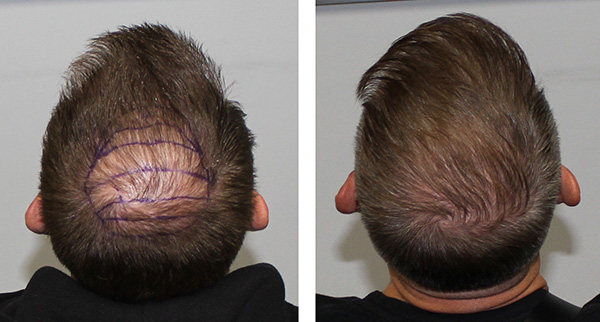
Hair loss rarely has just one cause. For some people, it’s a gradual, genetic pattern that progresses over years. For others, it’s a sudden wave of shedding triggered by stress, illness, medication, or nutrient deficiencies. That’s why a proper evaluation matters: the right treatment depends on the right diagnosis—and a transplant should only be considered when it’s medically appropriate and likely to deliver stable, long-term results.
At Liv Hospital, hair restoration begins with a structured “Causes and Evaluation” approach. Instead of offering an instant quote based on photos alone, the clinical goal is to understand what’s happening inside the scalp and follicles—so the plan supports results not just today, but years from now. For the full department page, see HAIR TRANSPLANT Causes and Evaluation.
Why “Cause” Comes Before “Coverage”
It’s easy to focus on the visible problem: a receding hairline, a thinning crown, or a widening part. But from a medical standpoint, the important question is:
Is the hair loss ongoing, reversible, inflammatory, hormonal, genetic—or a combination?
A transplant moves hair from one area to another. If the underlying trigger is still active (like uncontrolled thyroid disease, severe deficiency, or aggressive autoimmune hair loss), then transplantation may underperform or fail.
The Most Common Causes of Hair Loss1) Androgenetic Alopecia (Pattern Hair Loss)
This is the most frequent type in men and a leading cause in women. The follicles become sensitive to DHT (dihydrotestosterone) and slowly miniaturize over time.
Typical clues:
- men: temple recession + crown thinning
- women: diffuse thinning over the top, often with the front line preserved
- family history may exist from either side
Transplantation can work very well here—if the pattern is established and donor hair is strong.
2) Telogen Effluvium (Stress-Related Shedding)
This often appears as sudden, noticeable shedding after a trigger such as:
- high fever / infection
- surgery
- emotional stress
- rapid weight loss
- childbirth
- severe sleep disruption
It can look alarming, but many cases improve with time and correction of the trigger. In such cases, surgery may be unnecessary—or postponed until shedding stabilizes.
3) Nutritional Deficiencies
Hair follicles are highly active. If the body is low on key nutrients, hair growth may slow, thin, or shed.
Common contributors include:
- low iron/ferritin
- vitamin D deficiency
- vitamin B12 deficiency
- zinc deficiency
- protein restriction from extreme dieting
Correcting deficiencies can significantly improve hair quality and reduce shedding.
4) Hormonal & Metabolic Factors
Hair can be affected by internal imbalances such as:
- thyroid dysfunction (underactive or overactive)
- insulin resistance / diabetes (wound healing and follicle health can suffer)
- PCOS in women (androgen-related thinning)
If these factors are present, they must be addressed first because they can impact both native hair and transplant outcomes.
5) Autoimmune or Scarring Conditions
Some types of hair loss are not ideal for transplantation, including:
- Alopecia areata (immune attack causing patchy loss)
- scarring alopecias (follicles destroyed and replaced with scar tissue)
These require a careful diagnosis and long-term medical control before any surgical planning is considered.
What a Proper Hair Transplant Evaluation Should IncludeDonor Area Strength (The “Hair Bank”)
Your donor hair is a limited resource. A safe plan considers:
- how many grafts can be taken over your lifetime
- whether the donor area itself shows thinning
- how future hair loss might progress
Overharvesting can lead to a patchy donor appearance and limits future repair options.
Recipient Area Mapping
Doctors assess:
- the size of the balding/thinning zones
- how much density is realistically achievable
- whether existing weak hair may shed (“shock loss”)
- whether a staged approach is smarter than a mega-session
Good planning is often about strategic placement, not just high graft numbers.
Scalp & Follicle Assessment
A scalp evaluation helps identify problems that reduce graft survival, such as:
- inflammation
- active dandruff/seborrheic dermatitis
- poor scalp condition
- miniaturized hairs across large areas
If inflammation is present, treatment first can protect both transplanted and existing hair.
Medical Review & Blood Work (When Needed)
A clinician may recommend blood tests to rule out hidden causes, especially when hair loss is diffuse, sudden, or severe.
Common checks may include:
- thyroid markers
- iron/ferritin
- vitamin D / B12
- blood sugar control indicators
This step can prevent unnecessary surgery and improve long-term outcomes.
Who May NOT Be a Good Candidate (and Why)
A transplant may be delayed or avoided when:
- donor density is insufficient for safe extraction
- hair loss is extremely unstable or rapidly progressing
- there’s uncontrolled scalp inflammation
- expectations don’t match what’s medically achievable
- autoimmune hair loss is active
The goal is simple: only proceed when the probability of a stable, natural result is high.
The Most Important Outcome of Evaluation: A Long-Term Plan
A strong evaluation doesn’t end with “how many grafts.” It answers:
- What is causing the hair loss?
- Is it stable enough for surgery now?
- What should be treated medically first?
- How do we protect the result for the next 5–10 years?
That’s the difference between short-term cosmetic change and a truly lasting restoration strategy.
Final Thought: Treat Hair Loss Like a Health Signal, Not Just a Mirror Issue
Hair changes can be a sign of genetics—but they can also be your body’s way of flagging stress, deficiency, hormonal imbalance, or inflammation. If you’re exploring hair restoration, evaluation is the smartest first move because it helps you choose the right path—surgery, medical support, or both.
For additional lifestyle habits that support overall wellness, confidence, and long-term self-care routines, you can explore articles and tips at live and feel.
