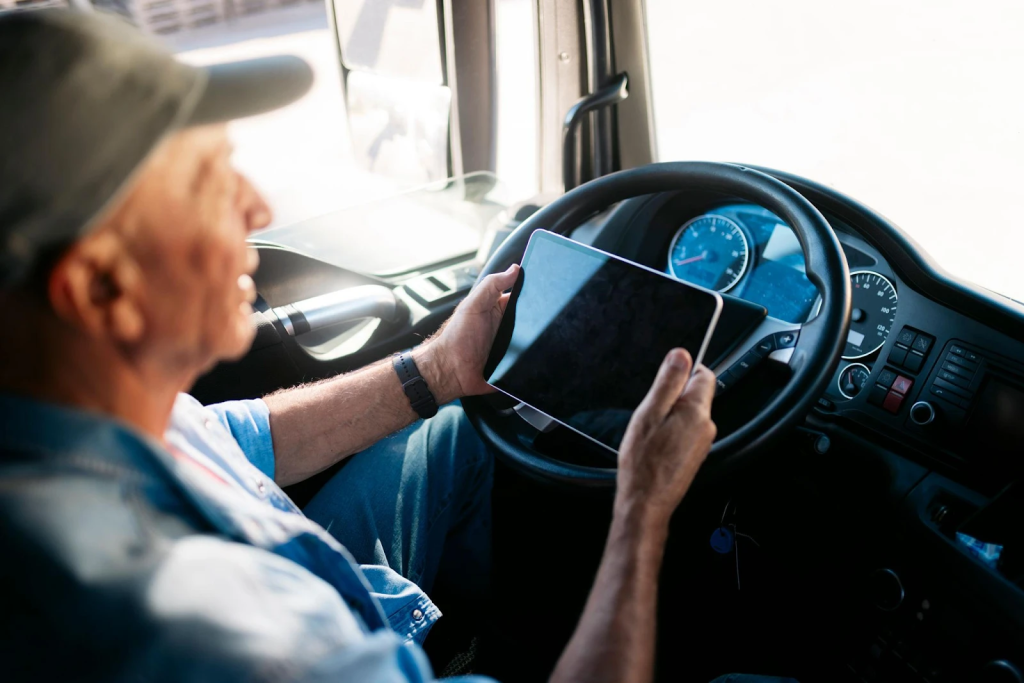
Truck driving has always been about freedom. The absence of companionship means that truck drivers practically accept the harsh conditions (long highways, ice storms, deadline delivery, difficult decisions, only one person behind the wheel). However, the situation is greatly reshaped by the high-tech developments in the world (trucking has turned into digitalized driving).
Social Media, mobile apps, web fleets, and other digital tools have modernized the way drivers intermingle, learn and keep safe in their jobs.
For the new age drivers, networking is no longer a default distraction. Utilized correctly, it has morphed into an instrument of work. Social platforms, real-time alerts, dispatcher messaging, and driver-to-driver networks now support everything from route planning and weather awareness — often complementing official weather alerts rather than replacing them — to mental health and fraud prevention, including informal route updates shared by other drivers on the road. .Including informal route updates shared by other drivers on the road. The new age trucking community exists on the road and on the internet — besides most drivers shuttle between both of them throughout the day.
This is an example of how truckers literally use social media and digital devices in 2026, where the benefits are authentic, where the risks exist and how drivers balance staying secure without compromising their safety.
Revolutionary Communication: From CB Radios to Digital Networks
For decades, the highways have ruled with the cassette player. The drivers used it to warn each other about accidents, traffic backups, bad weather, or enforcement activity. Even today, CB radios remain useful in areas with weak cell service or when immediate local awareness matters, but the modern trucking industry is not built on one tool anymore. For many drivers, these platforms act as practical CB radio alternatives, offering broader reach and faster information flow beyond immediate radio range.
Nowadays, drivers usually use CB radios as just one of many vehicles in their bus system. This system consists of tools like messaging apps, navigation platforms, and private fleet channels.
The major novelties involved the scale of things. Drivers would not be limited to the information acquired from a few vehicles; they would be able to make use of the data traffic from thousands of others vehicles in conjunction on various arms and routes.
Thus, this transformation has led the communication to develop from a series of distinct conversations to a communication network of collective intelligence.
Social Media in Trucking Today: Where It Fits
Social media has a number of different roles for truckers but is dependent on the time and format used. It serves as both a personal and professional muse — moreover, in comparison to previous times, it is now used more frequently as a work tool.
Main Utilities That Drivers Are Generally Dependent On
Truck drivers use internal communication systems to:
- Inform drivers and staff about load assignments and changes
- Dispatcher updates related to timing or routing — especially when changes affect hours-of-service limits or delivery windows
- Safety or compliance notices
- Messages about facility access or dock changes
- Real-time notifications when plans shift unexpectedly, delivered without requiring driver interaction while the vehicle is moving
This type of system reduces the drivers’ confusion and therefore, the avoidable phone calls they have to make en route. When used properly, these systems also bring about operational safety by avoiding last-minute disruptions.
Drivers’ Tools Used for Information & News
In addition, the digital information given is of no use at the time that it is not relevant. Most of the drivers in 2026 are not one-app users but combine several ones.
Most Popular Tools Truckers Use
| Type of Tool | What It Is Used for |
| Traffic apps | Global congestion, accidents, construction zones |
| Weather apps | Storm warnings, wind alerts, winter conditions |
| Parking tools | Truck stop availability, rest areas |
| Navigation systems | Truck-legal routing and restrictions |
| Compliance tools | Logs, inspection reminders, DOT compliance |
Instead of checking these applications frequently, most drivers set up alerts through which the important updates come automatically. This approach also helps drivers track parking availability late in the day without constant screen interaction. This not only reduces their distraction but also keeps them informed.
Overcoming Distracted Driving Risks
A huge problem with the digital tools is distracted driving, particularly when alerts and notifications interrupt high-focus driving situations. Particularly when notifications interrupt high-focus driving situations. Alerts, phones, and too many notifications can quickly get drivers in trouble if they are not operating them properly.
Drivers usually try to avoid distractions via habits that are tried and tested:
- Setting routes and alerts up before the shift begins
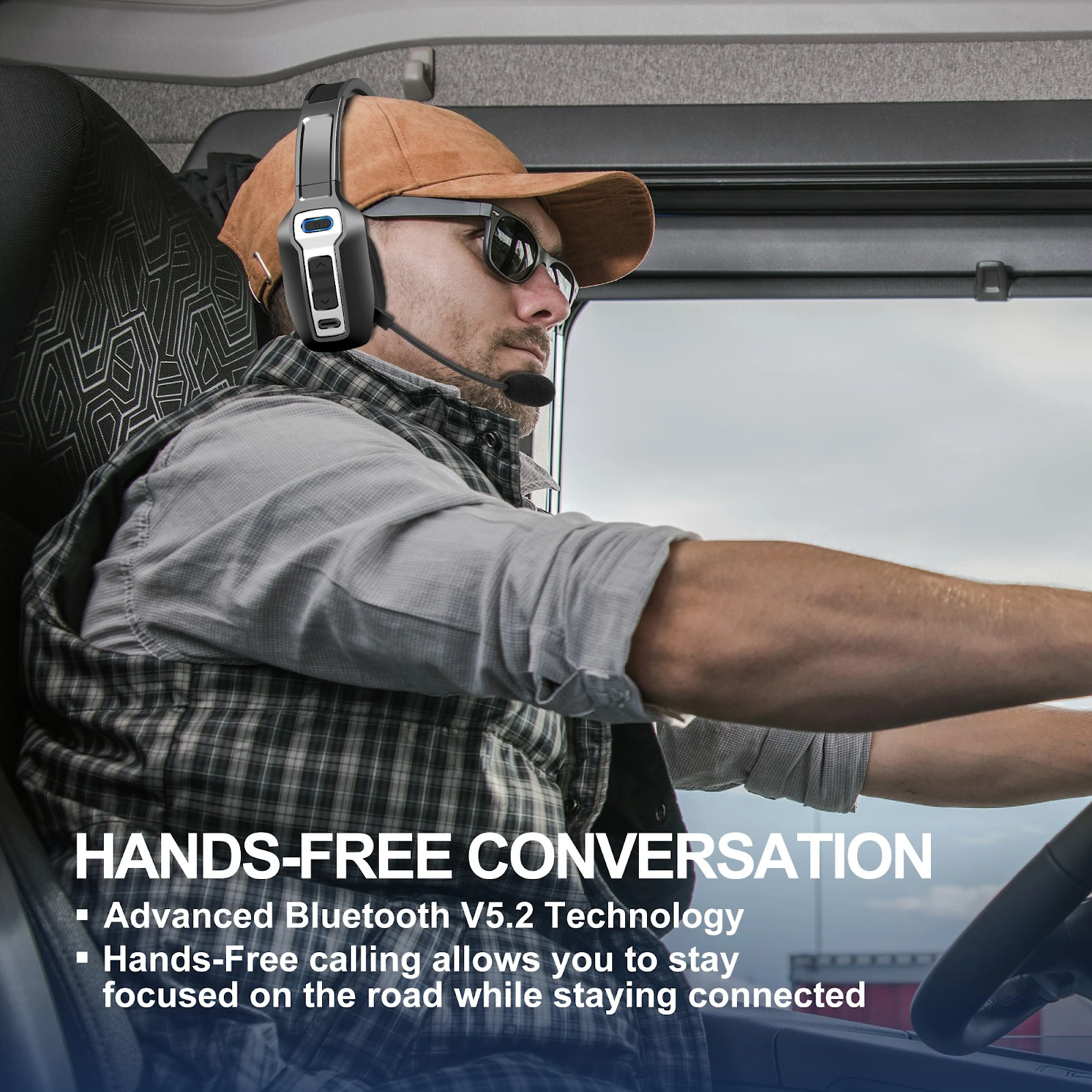
- Using hands-free setups with voice control
- Responding to messages only when pulled over or on breaks
- Muting non-essential notifications while driving
Fleets have been putting more emphasis on this safe driving culture as it promotes not only individual safety but also job performance.
The Hands-Free Era Has Arrived
Bluetooth headsets, dashboard mounts, and voice-activated systems are no longer luxury items — they are basic safety equipment. Drivers who rely on these systems can stay connected without putting control of the vehicle in jeopardy.
Online Safety & Scams Affecting Drivers
As digital communication increases, so do risks, making online safety a daily consideration for professional drivers. Scams aimed at drivers have become more sophisticated, often hidden in the form of legitimate social events or private messages. Many of these threats fall into broader patterns of scams targeting drivers, often designed to exploit time pressure and constant movement.
Common Schemes Include
- Fake job offers requiring upfront payments
- Messages impersonating dispatch or fleet staff
- Links promising quick freight or easy money
- Requests for personal or login information
Social platform newcomers are often the most vulnerable, but even seasoned drivers can fall prey.
Safety Action at the Workplace
Digital awareness is now part of professional awareness.
Social Media vs. Dedicated Trucking Apps
Drivers run the risk of confusing general trucker social media with purpose-built trucking apps. These tools serve different purposes.
| Platform Type | Strengths | Limitations |
| Social media groups | Community insight, real experiences | Information quality varies |
| Trucking apps | Structured data, reliability | Less personal context |
| Fleet systems | Direct, job-specific updates | Limited to company use |
Drivers rely on all of these tools and switch between them depending on the situation.
Wellness, Balance, and Staying Human on the Road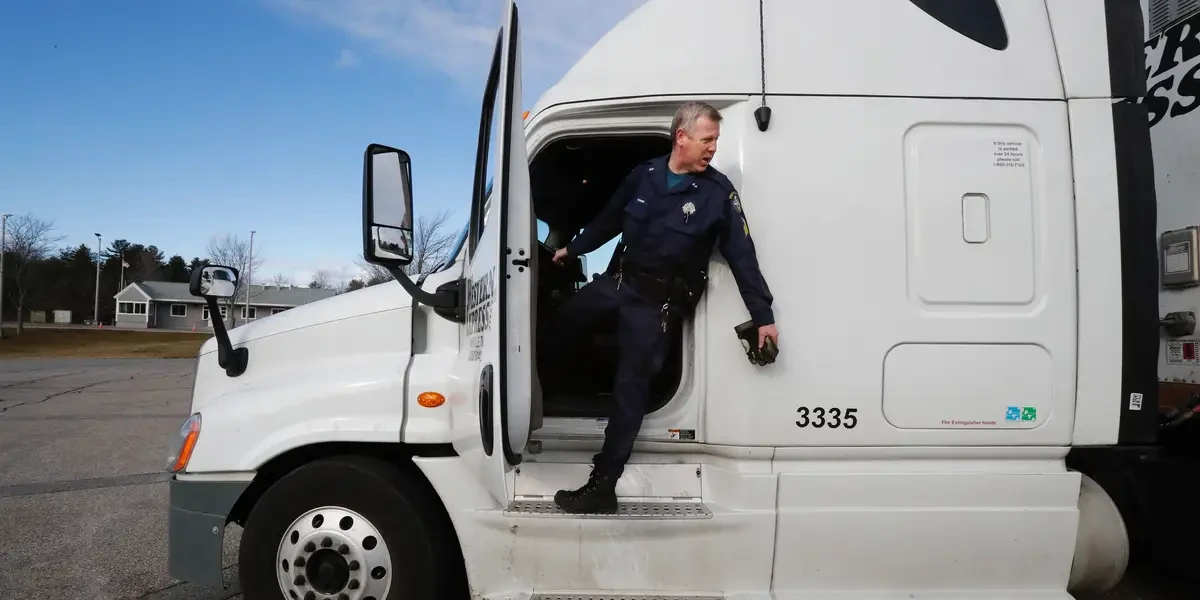
Interconnectivity is not merely about effectiveness. It also changes how drivers perceive their work. Consistent communication habits now play a quiet but important role in long-term driver wellness, especially for extended OTR schedules. Staying in touch with family, accessing support, and participating in conversations helps maintain balance.
Many drivers report that social connectivity reduces burnout and increases long-term job satisfaction. In some cases, it even influences decisions about staying OTR, moving to regional routes, or switching fleets.
Digital tools do not replace rest, healthy habits, or fair scheduling — but they do reduce isolation while managing demanding schedules.
Where This Is Heading
Technological advancement in trucking is not about more screens or noise. The objective is smarter filtering — delivering the right information at the right time without overload.
The timeline is likely to see:
- Better integration of driver apps with fleet administration systems
- Predictive notifications for weather and congestion
- Platform-level fraud detection
- Increased prioritisation of digital safety
Drivers who manage these tools effectively will be better equipped to handle both the technical and human sides of the job.
Final Thoughts
Truck driving in 2026 is far from the outdated solitary profession. Drivers still have independence, but they are almost always connected. Industry-focused platforms such as Intermodal Insider increasingly highlight how digital communication, fleet technology, and driver behaviour continue to reshape modern trucking operations.
They learn about routes, weather, safety — and about each other — through social media, apps, and fleet communication systems.
Used responsibly, these tools improve driving conditions, cognitive awareness, and overall quality of life. The task is not to avoid connectivity, but to manage it without letting it take control. On today’s roads, staying connected is part of being a professional.
FAQ
How do truck drivers interact with social networks when they are on the road?
Professional drivers have a habit of not using social media all the time during their shifts. They check it during their breaks, fuel stops, or in the evening mainly. Drivers are mostly into it for situational awareness, e.g. route conditions, weather changes, or parking availability that has been reported by their colleagues. It is right to say that social media, if used wisely, becomes a support tool in the background rather than a distraction.
Can social media completely take over the CB radios?
Social media is not a full-fledged replacement of CB radios, but it is a firm evidence of that. CB radios are still immediate and useful for local communication, particularly in cases of poor cell service. Digital platforms enlarge, that is, they provide the drivers with information on distant, multi-regional campuses together with historical context. Both means are being used by the majority of drivers, depending on the circumstances.
Is the use of mobile apps and alerts a safety risk?
Digital tools may become greater risk-causing factors due to the correlation with distracted driving. However, most drivers manage this problem by means of using a hands-free device, voice prompts, and some alert-based systems that don’t demand any kind of interaction with the device while driving. What matters is not the tools themselves, but how they are set up and when they are used.
How do drivers teach themselves and avoid online fraud?
Drivers tend to back off risks by confirming messages through the official website of the company, dealing with unsolicited job offers, and being vigilant with the links or requests for their personal data. This online safety protocol is of as much importance to professional drivers, if not more, as checking load information and compliance requirements.
Do digital tools have any impact on drivers’ health?
The vast majority of drivers indicate that being connected with the internet helps them feel much less lonely and stressed, particularly during long OTR runs. Regular communication with family, joining peer communities, and getting clearer instructions from dispatch all lead to better mental well-being. Of course, technology cannot take the place of sleep or fair schedules, but it can help make a difficult job easier.
Will the expansion of digital communication continue in the trucking industry?
Of course, yes, but the trend is shifting towards more intelligent and less invasive systems. New possibilities are predicted to be designed with better filtering, predictive alerts and reveal oriented design, guaranteeing that drivers obtain necessitated information without surplus.
