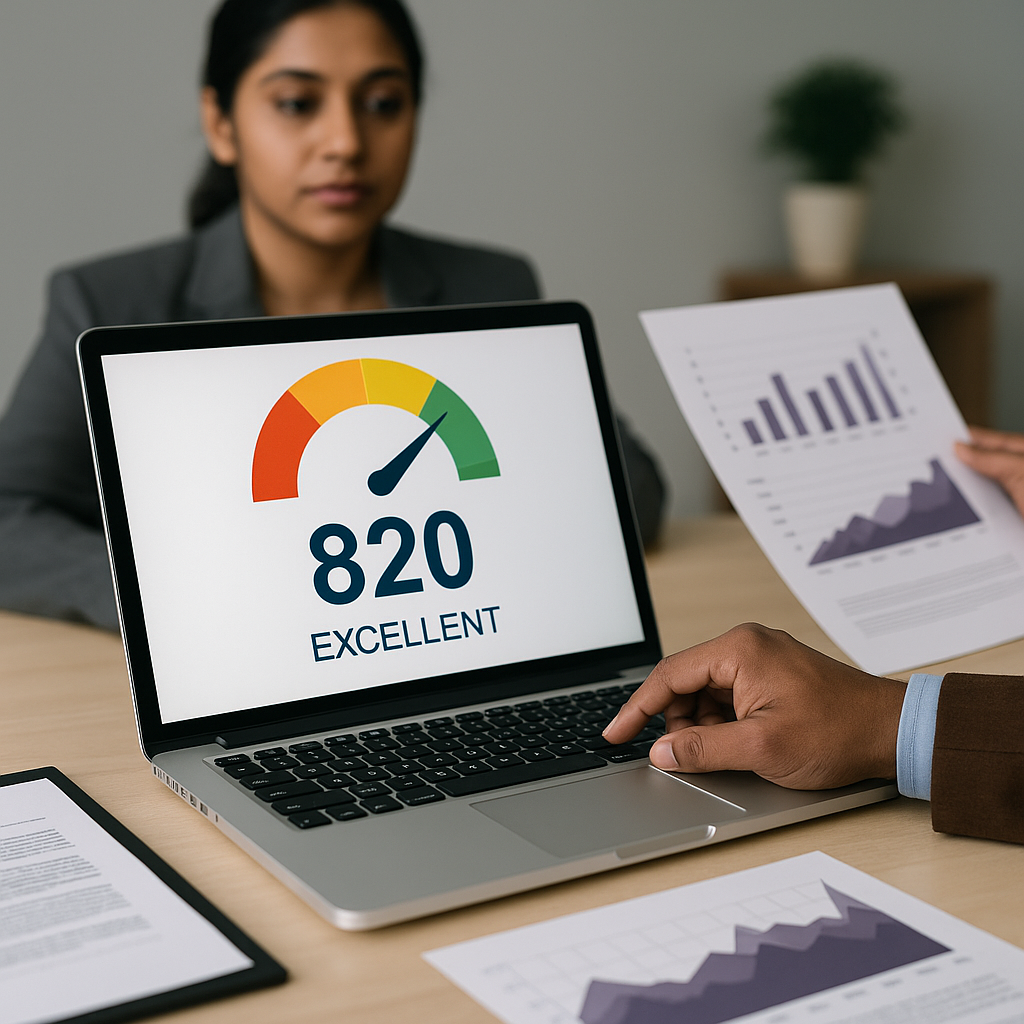
Indian score-running platforms have emerged as powerful tools for financial risk analysis and benchmarking in today’s data-driven economy. As financial institutions, fintech companies, and global enterprises face increasing pressure to manage risk accurately while maintaining operational efficiency, these platforms provide a reliable foundation for automated evaluation, monitoring, and comparison of financial performance.
Indian score-running platforms combine automation, analytics, scalability, and customization to support complex risk assessment and benchmarking needs. They are widely used across domestic and international markets because they deliver consistent results, adapt to diverse regulatory environments, and handle large data volumes with stability.
This article provides an in-depth exploration of 印度跑分平台, focusing on their role in financial risk analysis and benchmarking. It explains how these platforms work, why they are trusted, and how they help organizations make informed, data-backed decisions.
Understanding Indian Score-Running Platforms
Indian score-running platforms are digital systems designed to process financial and behavioral data to generate scores that reflect risk levels, performance indicators, or creditworthiness. These scores are calculated automatically using predefined rules, weighted parameters, or analytical models.
Unlike manual evaluation methods, Indian score-running platforms operate continuously. They ingest data from multiple sources, process it in real time or batch mode, and generate standardized outputs. This automation ensures consistency, reduces human error, and enables large-scale analysis.
Because of their flexibility and cost efficiency, Indian score-running platforms are widely adopted for financial risk analysis and benchmarking across sectors.
The Role of Score-Running Platforms in Financial Risk Analysis
Financial risk analysis involves identifying, measuring, and managing potential losses arising from credit exposure, market volatility, operational failures, or liquidity constraints. Indian score-running platforms play a central role in this process by translating complex data into actionable risk indicators.
These platforms analyze historical and real-time data to identify patterns, trends, and anomalies. By converting raw data into structured scores, they allow organizations to quantify risk levels and prioritize actions.
Indian score-running platforms support proactive risk management by enabling early detection of potential issues and continuous monitoring of financial exposure.
Automation as a Foundation for Risk Assessment
Automation is a defining feature of Indian score-running platforms. Automated workflows eliminate the need for repetitive manual analysis and ensure that risk assessments are performed consistently across all entities.
Once configured, the platform applies the same evaluation criteria to every dataset. This consistency is essential for fair and reliable risk analysis. Automated processes also reduce delays, allowing organizations to respond quickly to emerging risks.
In financial risk analysis, automation enables continuous assessment rather than periodic reviews, improving accuracy and responsiveness.
Benchmarking as a Strategic Capability
Benchmarking involves comparing performance metrics, risk scores, or financial indicators against internal standards, historical data, or industry benchmarks. Indian score-running platforms integrate benchmarking directly into their core functionality.
By using standardized scoring frameworks, these platforms allow organizations to evaluate performance across time periods, business units, or geographic regions. Benchmarking provides context for risk scores, helping decision-makers understand whether results are strong, weak, or average.
Indian score-running platforms transform benchmarking from a manual exercise into an automated, repeatable process.
Core Architecture of Indian Score-Running Platforms
The architecture of Indian score-running platforms is designed for flexibility and scalability. Most platforms follow a modular structure that separates data ingestion, processing, scoring, and reporting.
Data ingestion modules collect information from internal systems and external sources. Processing engines clean and normalize data to ensure accuracy and consistency. The scoring engine applies rules or models to generate risk or performance scores. Reporting modules present results through dashboards or integrate them into enterprise systems.
This layered architecture supports efficient financial risk analysis and benchmarking without compromising performance.
Data Integration and Multi-Source Analysis
Effective risk analysis requires data from multiple sources. Indian score-running platforms are built to integrate diverse datasets, including transaction records, financial statements, behavioral indicators, and external reference data.
Multi-source integration enhances the accuracy of risk assessments by providing a holistic view of financial exposure. It also supports benchmarking by enabling comparisons across different data dimensions.
Indian score-running platforms handle this complexity through standardized data pipelines and validation mechanisms.
Real-Time and Batch Processing Capabilities
Indian score-running platforms support both real-time and batch processing. Real-time processing allows organizations to monitor risk continuously and respond instantly to changes. Batch processing supports periodic analysis, reporting, and historical benchmarking.
This dual capability ensures flexibility. Organizations can choose the processing mode that best suits their operational needs while maintaining consistent scoring logic.
Real-time insights are particularly valuable for dynamic risk environments, while batch processing supports strategic analysis.
Customizable Risk Models and Scoring Logic
Different organizations have different risk appetites and regulatory requirements. Indian score-running platforms address this by offering highly customizable scoring models.
Users can define parameters, weightings, thresholds, and rules to reflect specific risk strategies. Customization ensures that risk analysis aligns with business objectives and compliance obligations.
For benchmarking, customizable models allow organizations to compare results using consistent criteria while adapting to evolving requirements.
Consistency and Objectivity in Risk Evaluation
Consistency is critical in financial risk analysis. Indian score-running platforms ensure that every evaluation follows the same logic and criteria.
This objectivity reduces bias and enhances trust in the results. Consistent scoring also simplifies benchmarking, as comparisons are based on standardized metrics.
By enforcing uniform evaluation processes, Indian score-running platforms improve decision quality and accountability.
Scalability for Large-Scale Financial Operations
Financial institutions often manage large portfolios with thousands or millions of records. Indian score-running platforms are designed to scale efficiently, handling increased data volumes without performance degradation.
Scalable infrastructure allows organizations to expand operations, enter new markets, or onboard new clients without rebuilding systems. This scalability is especially important for benchmarking across multiple business units or regions.
Indian score-running platforms support growth while maintaining reliability and speed.
Performance Monitoring and Benchmark Optimization
Advanced platforms include performance monitoring tools that track system health, scoring accuracy, and processing speed. These tools help organizations identify inefficiencies and optimize operations.
Benchmarking performance over time highlights trends and improvement opportunities. Indian score-running platforms make this analysis accessible through visual dashboards and automated reports.
Continuous optimization ensures that risk analysis and benchmarking remain effective as conditions change.
Risk Categorization and Segmentation
Indian score-running platforms support risk categorization by segmenting entities based on score ranges or predefined criteria. This segmentation helps organizations prioritize actions and allocate resources effectively.
For benchmarking, segmentation enables comparisons within similar groups, improving analytical relevance. It also supports targeted risk management strategies.
Categorization transforms raw scores into actionable insights.
Data Security and Governance
Financial risk analysis involves sensitive data. Indian score-running platforms incorporate strong security measures, including encryption, access controls, and audit trails.
Data governance features ensure transparency and accountability. Organizations can track data usage, scoring changes, and access history.
Secure and governed systems build confidence among stakeholders and regulators, supporting long-term adoption.
Regulatory Alignment and Reporting Support
Compliance is a major consideration in financial risk analysis. Indian score-running platforms support regulatory alignment by providing consistent scoring logic and auditable processes.
Automated reporting features simplify compliance tasks by generating standardized reports. Benchmarking against regulatory thresholds becomes easier and more transparent.
These capabilities reduce compliance risks and administrative burdens.
Industry Applications of Risk Analysis and Benchmarking
Indian score-running platforms are used across industries. Banks use them to assess credit and portfolio risk. Fintech companies rely on them for real-time lending decisions. Corporations apply them to supplier risk evaluation and financial planning.
Benchmarking capabilities support strategic planning and performance management across sectors. The versatility of Indian score-running platforms makes them valuable tools in diverse contexts.
Overseas and Cross-Border Risk Assessment
Indian score-running platforms are widely used in overseas operations due to their adaptability. They support multiple regulatory environments and data standards, making them suitable for cross-border risk analysis.
Benchmarking across regions helps organizations identify geographic risk patterns and performance differences. This insight supports informed expansion and investment decisions.
Global readiness is a key strength of Indian score-running platforms.
Implementation Strategy for Financial Institutions
Successful implementation begins with defining risk objectives and benchmarking goals. Organizations must identify data sources, scoring criteria, and reporting needs.
Deployment typically includes testing and validation to ensure accuracy. Once live, platforms can be refined through configuration updates.
A structured implementation approach minimizes risk and accelerates value realization.
Training and Operational Support
Indian score-running platforms often include training and support services. Documentation, tutorials, and expert guidance help teams use the system effectively.
Ongoing support ensures that platforms adapt to changing requirements and continue to deliver value. Well-trained users maximize the benefits of risk analysis and benchmarking.
Support services strengthen long-term system performance.
Measuring Return on Investment
The return on investment from Indian score-running platforms is reflected in improved risk management, operational efficiency, and decision quality. Automation reduces costs and processing time.
Benchmarking insights support strategic improvements and competitive positioning. These benefits contribute to sustainable growth.
ROI measurement reinforces the value of adopting advanced score-running platforms.
Future Trends in Risk Analysis and Benchmarking
The future of Indian score-running platforms is shaped by increasing data complexity and demand for automation. Platforms will continue to evolve with enhanced analytics, broader integration, and improved benchmarking tools.
As financial environments become more dynamic, automated risk analysis will be essential. Indian score-running platforms are well-positioned to meet these challenges.
Innovation will further strengthen their role in financial decision-making.
Conclusion
印度跑分平台 are essential tools for financial risk analysis and benchmarking. By combining automation, scalability, customization, and security, they enable organizations to evaluate risk accurately and compare performance effectively.
These platforms transform complex data into clear, actionable insights. They support consistent decision-making, regulatory compliance, and strategic planning.
For organizations seeking reliable, scalable, and future-ready solutions, Indian score-running platforms provide a strong foundation for managing financial risk and achieving long-term success.
