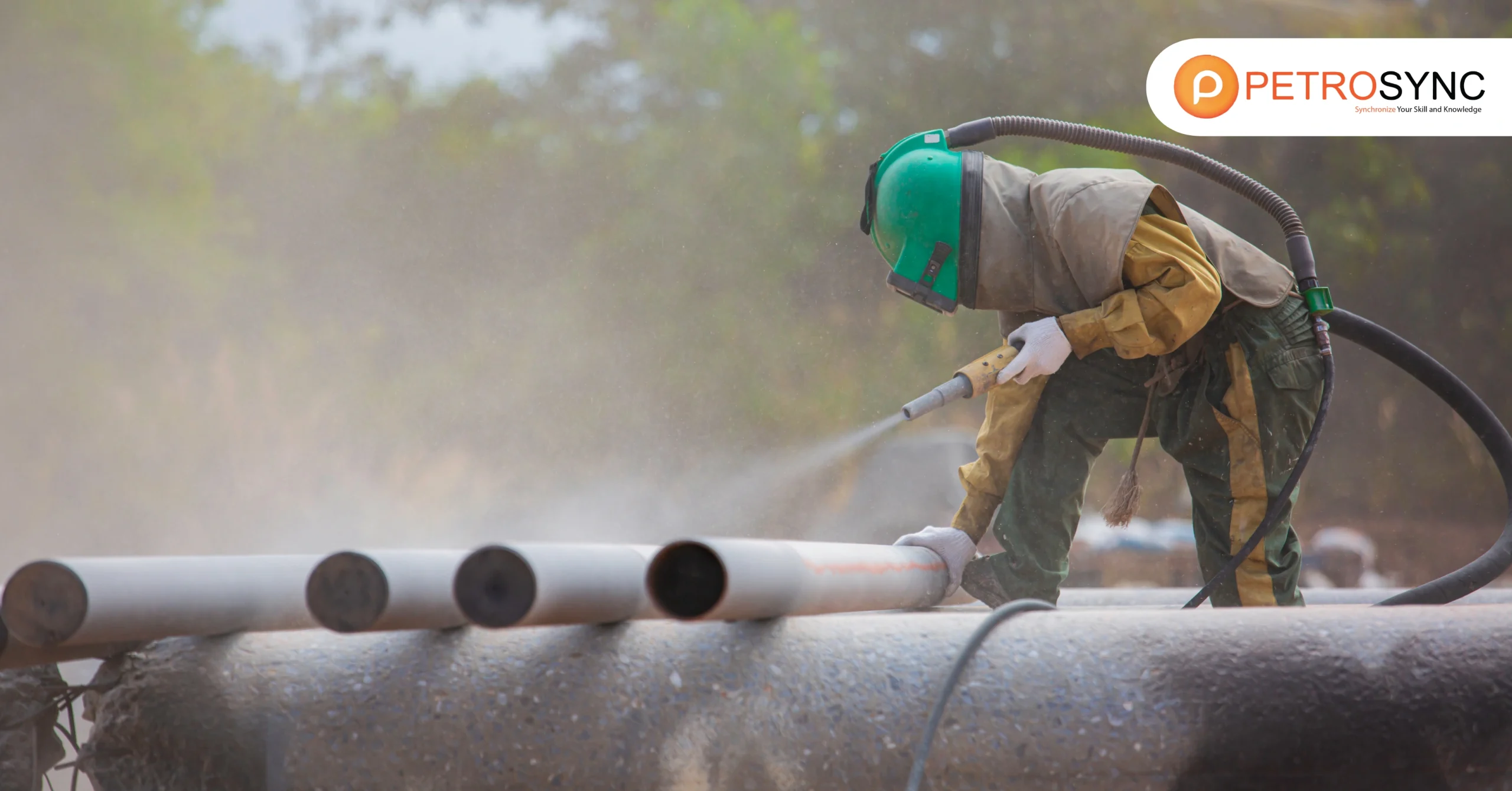
Corrosion is one of the most persistent and costly challenges faced by different sectors such as oil & gas, construction, manufacturing, utilities, and energy. When corrosion is not managed properly, it silently weakens equipment, structures, and pipelines—eventually leading to system failures, operational downtime, and major safety incidents. However, with a strong corrosion management plan/strategy, companies can significantly reduce these risks and save millions in asset damage.
Understanding the Financial Impact of Corrosion
Corrosion is not just a technical problem; it is a financial burden. According to multiple global studies, industries lose billions every year due to corrosion-related failures. These losses come from:
- Unplanned equipment replacements
- Production downtime
- Repair and maintenance expenses
- Environmental fines and legal penalties
- Safety incidents and insurance claims
A single leak or structural failure caused by untreated corrosion can shut down operations for days—or even weeks—resulting in massive revenue loss. For companies working with critical assets, corrosion is an issue that cannot be ignored.
Why a Strong Corrosion Strategy Is Essential
A well-designed corrosion management strategy focuses on prevention rather than reaction. Instead of waiting for visible signs of rust or damage, industries apply a systematic approach to identify, monitor, and control corrosion risks early.
Key Benefits of a Strong Corrosion Management Strategy:
- Improved asset lifespan – Equipment lasts longer when corrosion is minimized.
- Reduced operational downtime – Preventive sudden breakdowns.
- Lower maintenance costs – Early detection reduces the need for costly emergency repairs.
- Better safety and compliance – Eliminates risks of leaks, failures, and accidents.
- Higher operational efficiency – Well-maintained assets perform better and use energy more efficiently.
Core Elements of an Effective Corrosion Management Program
Building a strong corrosion strategy requires a structured and proactive approach. Successful programs often include:
1. Asset Risk Assessment
Identifying corrosion-prone areas and evaluating their potential impact helps organizations prioritize resources.
2. Material Selection and Design Control
Choosing corrosion-resistant materials and using smart engineering designs reduces long-term degradation.
3. Protective Coatings and Surface Treatments
High-quality coatings, paints, and inhibitors offer an essential protective layer that slows down corrosion.
4. Inspection and Monitoring
Regular inspections using advanced tools—such as ultrasonic testing, corrosion probes, and drones—help detect early signs of deterioration.
5. Preventive Maintenance Plan
Scheduled maintenance ensures issues are addressed before they escalate.
6. Environmental Control
Managing humidity, chemical exposure, and temperature can significantly reduce corrosion rates.
7. Documentation and Continuous Improvement
A structured reporting system ensures long-term tracking and improvement of corrosion control activities.
How Corrosion Management Saves Millions
Companies that invest in a strong corrosion strategy typically see a major reduction in:
- Unexpected failures and shutdowns
- Repair and replacement costs
- Legal fines due to environmental leaks
- Energy consumption caused by inefficient equipment
By minimizing risks early, organizations avoid catastrophic events that could cost millions in damages. A well-maintained asset is also more reliable, safer, and more productive.
Conclusion
Corrosion may be a natural process, but its consequences can be extremely expensive. A strong and proactive corrosion management strategy helps industries extend asset life, enhance safety, reduce downtime, and protect operational investments. For businesses aiming to build long-term reliability, working with a trusted expert is essential. Companies like Cormat Group provide specialized solutions and a comprehensive Corrosion Management plan that ensures assets remain protected, efficient, and compliant for years to come.

