Currency exchange plays a crucial role for travelers, investors, and businesses operating internationally. For anyone planning a trip to Thailand, knowing the Thailand baht rate today is essential to manage expenses, plan budgets, and make smart financial decisions. In this article, we explore the dynamics of the Thai baht, factors influencing its exchange rate, tips for getting the best rates, and practical insights for travelers and investors alike.
What is the Thai Baht?
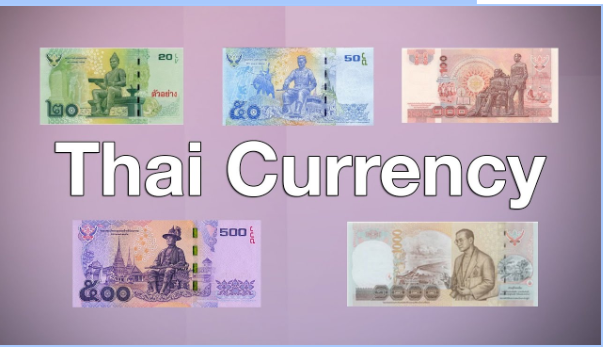
The Thai baht (THB) is the official currency of Thailand. Recognizable by the symbol ฿, it is widely used across the country for all types of transactions, from street food purchases to luxury hotel bookings. The Bank of Thailand issues banknotes and coins in denominations that suit everyday needs, making it a versatile currency for both locals and tourists.
The baht is also considered a stable currency in Southeast Asia due to Thailand’s strong economic fundamentals and robust tourism sector. This stability attracts foreign investors and travelers who want predictable exchange rates when converting their money to Thai baht.
Factors Affecting the Thailand Baht Rate Today
Several factors influence the Thailand baht rate today, including:
- Global Economic Conditions
Changes in major economies, such as the U.S. or China, can impact the baht. For example, if the U.S. dollar strengthens, the baht may weaken against it. - Thailand’s Economic Indicators
Inflation, GDP growth, and trade balances in Thailand directly affect currency strength. A healthy economy usually strengthens the baht. - Tourism and Exports
Thailand relies heavily on tourism and exports. When tourism numbers are high or export demand rises, the baht typically appreciates. - Political Stability
Any political unrest can negatively influence investor confidence and lead to currency fluctuations. - Market Speculation
Traders and investors’ expectations of economic performance or interest rate changes can drive short-term fluctuations in the baht rate.
How to Check the Thailand Baht Rate Today
Monitoring the baht’s value is easier than ever. Several resources provide real-time exchange rates, including:
- Banks: Thai and international banks publish daily rates online.
- Currency Exchange Websites: Platforms like MoneyShop Phuket provide accurate, up-to-date rates for tourists and locals.
- Mobile Apps: Apps like XE Currency, Revolut, or OANDA track live currency movements and even allow notifications for desired rates.
Regularly checking rates helps travelers exchange money at favorable rates and helps investors make informed decisions.
Best Practices for Currency Exchange in Thailand
Getting the best rate when converting to baht can save you significant money. Here are some tips:
- Compare Rates Online
Check rates from multiple sources before exchanging money. Websites like MoneyShop Phuket are reliable for current rates. - Avoid Airport Exchange Counters
Airport counters often charge higher fees and offer lower rates compared to banks or local exchange shops. - Use Local Banks
Thai banks usually provide competitive exchange rates, particularly for large amounts of money. - Consider Exchange Fees
Always account for service fees. Sometimes, a slightly lower rate with no fee can be better than a higher rate with hidden charges. - Use ATMs Wisely
ATMs in Thailand dispense baht directly. Ensure your home bank charges minimal foreign withdrawal fees and always use secure ATMs.
Understanding Historical Trends of the Baht
Analyzing past trends in the Thailand baht rate today can provide insights for future planning. Historically, the baht has experienced fluctuations due to:
- Global financial crises
- Natural disasters affecting tourism
- Policy changes by the Bank of Thailand
For travelers, understanding these trends ensures realistic expectations about spending and budgeting.
Impact of Exchange Rates on Travelers
For tourists, the baht rate has a direct impact on trip costs. A strong baht means foreign currency buys fewer goods, while a weaker baht increases purchasing power. Key areas affected include:
- Accommodation: Hotel prices vary significantly with exchange rates.
- Dining: Street food is cheap, but fine dining can become expensive if the baht is strong.
- Transportation: Tuk-tuks, taxis, and domestic flights are priced in baht, so fluctuations affect daily travel costs.
- Shopping: Markets, malls, and luxury stores price items in baht, so the exchange rate impacts spending decisions.
Planning ahead and monitoring the Thailand baht rate today ensures travelers stay within budget.
Impact of Exchange Rates on Businesses and Investors
Businesses operating in Thailand or importing/exporting goods face financial implications from baht fluctuations. A strong baht can make Thai exports expensive, reducing competitiveness, while a weaker baht benefits exporters. Similarly, foreign investors consider exchange rates before investing in Thai stocks, bonds, or real estate to maximize returns and minimize currency risk.
Tips for Getting the Most Value When Traveling to Thailand
- Plan Ahead: Monitor rates before traveling to exchange money at favorable rates.
- Use Multi-Currency Cards: Preloaded cards allow you to lock in rates and avoid ATM fees.
- Budget in Baht: Converting budgets to baht can help avoid overspending.
- Avoid Dynamic Currency Conversion: Paying in your home currency at Thai merchants often comes with poor rates and extra fees.
- Negotiate When Possible: Especially in markets, rates are sometimes negotiable if paying cash in baht.
Conclusion
Keeping an eye on the Thailand baht rate today is essential for travelers, investors, and businesses alike. Whether planning a vacation, making international payments, or investing in Thailand, understanding currency dynamics, monitoring rates, and using smart exchange strategies can help save money and reduce financial risk. Resources like MoneyShop Phuket provide up-to-date rates and reliable information, ensuring informed decisions every step of the way.
FAQs
Q1: How often does the Thailand baht rate change?
The baht rate fluctuates daily based on economic conditions, market demand, and global financial trends. Checking online sources daily is recommended.
Q2: Where can I get the most accurate baht rates?
Banks, reliable currency exchange websites like MoneyShop Phuket, and reputable mobile apps provide accurate and up-to-date rates.
Q3: Is it better to exchange money in Thailand or before traveling?
Exchanging in Thailand, especially at local banks or trusted exchange shops, usually offers better rates than exchanging abroad.
Q4: Can I use credit cards in Thailand?
Yes, most hotels, restaurants, and shops accept credit cards. However, cash in baht is necessary for markets, street food, and small vendors.
Q5: How does a strong baht affect my travel expenses?
A strong baht means foreign currencies have less buying power, making travel and purchases more expensive. Planning and monitoring rates can help mitigate costs.
