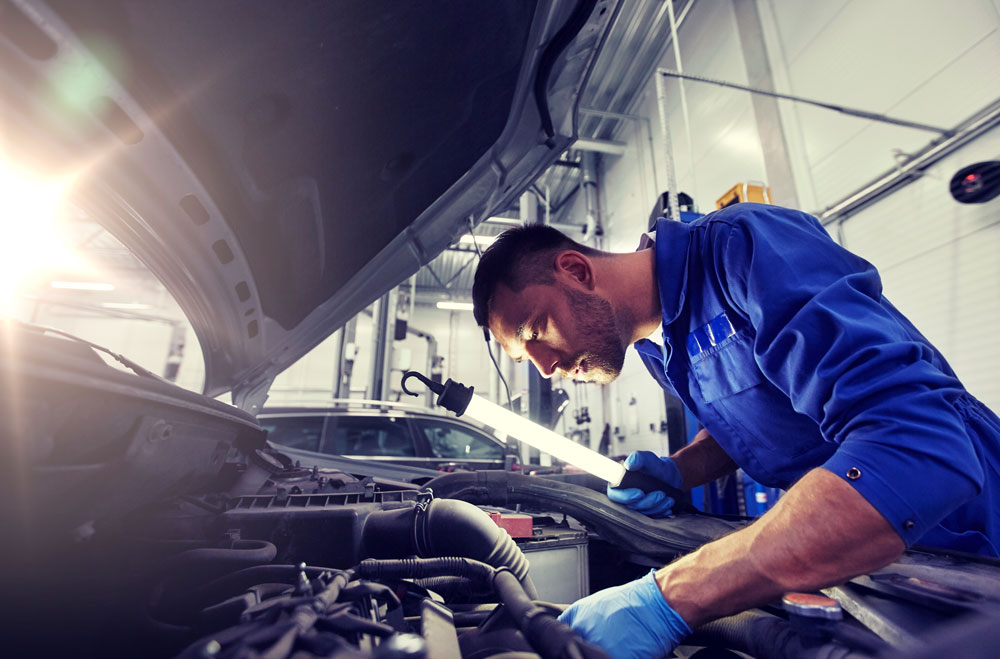
A vehicle is more than just a mode of transportation—it’s an investment, a daily companion, and in many cases, a necessity. Whether you drive a brand-new model or an older car you’ve grown attached to, extending its lifespan saves you money, reduces stress, and keeps you safer on the road. The secret to making your vehicle last isn’t complicated—it simply requires consistency, care, and awareness. Here’s how you can help your car go the distance while keeping it running smoothly along the way.
1. Prioritize Regular Oil Changes
Oil is your car’s lifeblood. It lubricates the engine, reduces friction, and minimizes wear. Skipping oil changes or waiting too long can cause sludge buildup, overheating, or even complete engine failure—repairs that cost far more than routine maintenance.
Pro tip: Follow your car manufacturer’s recommended intervals, typically every 5,000 to 7,500 miles, depending on your vehicle and driving habits. If you often drive in heavy traffic or extreme temperatures, consider changing it more frequently.
2. Stay on Top of Scheduled Maintenance
Your vehicle’s owner’s manual provides a maintenance schedule specifically designed for your make and model. This routine includes vital services such as replacing filters, inspecting belts, flushing fluids, and checking key systems. These steps aren’t just suggestions—they help prevent larger, more expensive issues down the road.
Think of scheduled maintenance as preventive care for your car. By tackling minor problems early, you can avoid major repairs and extend your vehicle’s lifespan. And if you’re unsure what your car needs or prefer professional help, a trusted mechanic in South Salt Lake can follow your maintenance schedule and ensure everything is serviced correctly.
3. Keep Your Tires Properly Inflated
Tires affect more than just traction—they also impact fuel economy and even the longevity of your suspension and steering components. Under-inflated tires increase rolling resistance, causing the engine to work harder and parts to wear faster.
Check your tire pressure monthly, and don’t forget about the spare. Proper pressure levels are listed on the driver’s door frame or in the owner’s manual. Keeping tires aligned and rotated every 6,000 to 8,000 miles also helps distribute wear evenly.
4. Drive Smoothly—Avoid Harsh Habits
Your driving style directly influences how long your car lasts. Rapid acceleration, abrupt braking, and aggressive cornering all put stress on the engine, brakes, and suspension.
Adopt smoother habits:
- Accelerate gradually.
- Maintain a steady speed.
- Anticipate stops rather than slamming on the brakes.
Not only will your car appreciate it—your fuel budget will, too.
5. Don’t Ignore Warning Lights
Dashboard lights are your car’s way of communicating. A check engine or oil pressure warning isn’t something to overlook; ignoring it can lead to expensive damage.
If a warning light appears:
- Check your manual to understand the meaning.
- Determine whether it’s safe to drive.
- Schedule an inspection as soon as possible.
Catching issues early protects your vehicle from further damage.
6. Keep It Clean—Inside and Out
A clean car isn’t just about looks. Dirt, road salt, and grime can corrode metal and lead to rust, especially in winter climates. Regular washing and waxing protect your paint, while cleaning the interior protects upholstery, electronics, and air quality.
Don’t forget to clean the undercarriage, where salt and debris often accumulate.
7. Protect Your Car from Extreme Conditions
Extreme heat evaporates essential fluids, while freezing temperatures can thicken oil and stress the battery. If possible, park in a garage or use a car cover to shield your car from harsh weather.
During hot weather:
- Check coolant levels.
- Avoid overloading the vehicle.
During cold weather:
- Allow the engine to warm up for a minute or two.
- Keep your gas tank at least half full to avoid condensation buildup.
8. Use Quality Fluids and Parts
When it comes to replacements, cheap isn’t always better. Low-quality fluids and parts may save money upfront but can shorten the life of your vehicle.
Stick with:
- Manufacturer-recommended oil and coolant
- OEM (original equipment manufacturer) or high-quality aftermarket parts
Your engine and other systems are designed to function best with specific materials.
9. Lighten the Load
Carrying unnecessary weight, like tools, sports gear, or heavy equipment, makes your engine work harder and reduces fuel efficiency. Remove anything you don’t need, including roof racks when not in use—they create drag and burn extra fuel.
Drive Farther—With Care
Extending your vehicle’s lifespan doesn’t require expensive upgrades or expert knowledge—just thoughtful habits and regular attention. With consistent maintenance and mindful driving, your car can serve you well for many more miles.
Treat your car with care, and it will return the favor—keeping you safe, saving you money, and staying on the road longer.

