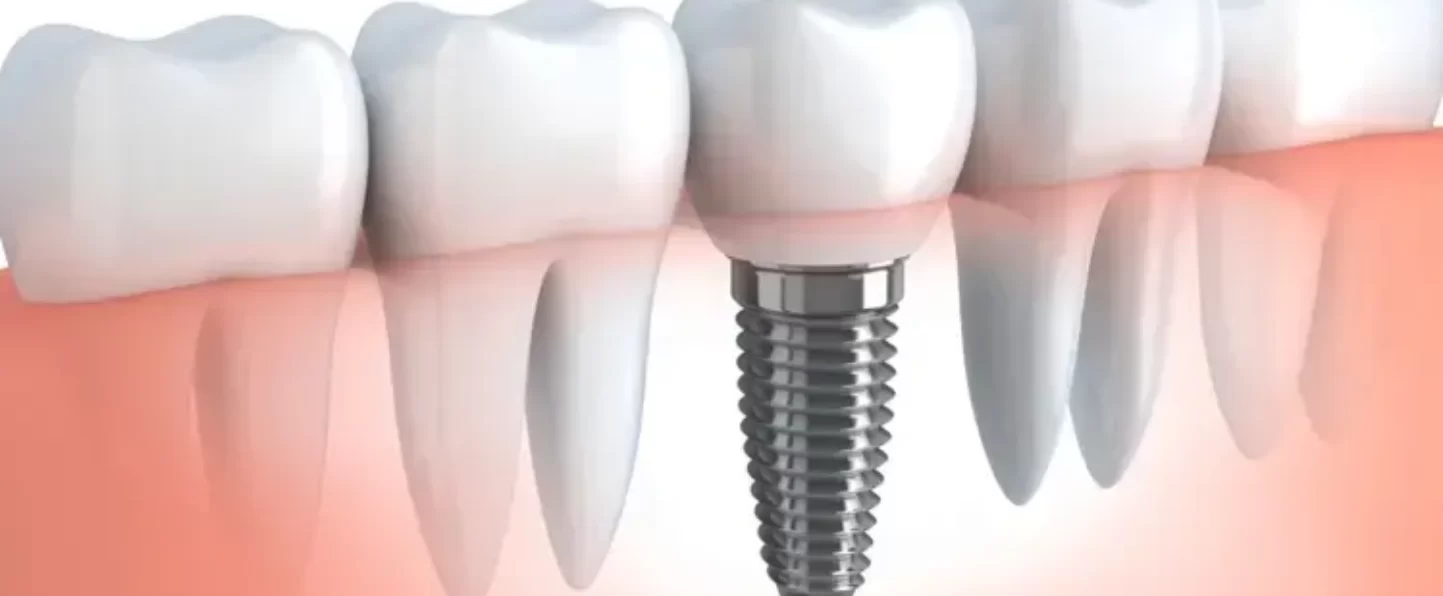
Dental implants offer a reliable solution for replacing missing teeth, providing stability and a natural appearance that can improve daily functions such as eating and speaking. In London, where access to advanced dental services is widespread, individuals considering this procedure must evaluate several factors to ensure a successful outcome. The process involves surgical placement of titanium posts into the jawbone, which then support crowns or bridges. Given the investment in time and resources, thorough preparation is essential. This includes understanding personal health conditions, the expertise of the practitioner, and the specifics of the treatment. By addressing these elements systematically, patients can minimise risks and achieve long-term satisfaction with their oral health.
A cosmetic dentist in London, such as Dr. Sahil Patel of MaryleboneSmileClinic, emphasises the importance of comprehensive assessments before proceeding with implants. He advises that patients should prioritise consultations that review medical history and imaging results to confirm suitability. According to Dr. Patel, overlooking bone quality or existing conditions can lead to complications, so detailed planning is key. For further insights into personalised implant options, visit this site to explore additional resources on cosmetic dentistry practices.
Assessing Your Health Suitability
Before committing to London dental implants, it is critical to examine your overall health and medical history. Certain conditions, such as uncontrolled diabetes or autoimmune disorders, can impair healing and increase the risk of implant failure. In the UK, dentists adhere to guidelines from the General Dental Council, requiring a full medical disclosure during initial consultations. This step helps identify potential contraindications early. Additionally, smoking habits should be discussed, as tobacco use significantly reduces success rates by affecting blood flow to the gums and bone. Patients in London benefit from multidisciplinary approaches, where referrals to specialists may be arranged if complex health issues arise.
Next, bone density and jaw structure demand careful evaluation. Dental implants require sufficient bone volume to anchor securely. If bone loss has occurred due to prolonged tooth absence or periodontal disease, augmentation procedures like bone grafts might be necessary. Cone beam CT scans, commonly used in London clinics, provide precise 3D images to assess this. Without adequate bone, alternatives such as mini-implants or dentures could be recommended. This assessment not only determines feasibility but also influences the timeline, as grafting can extend treatment by several months.
Gum health is another vital checkpoint. Healthy gums form a seal around implants, preventing infections like peri-implantitis. Signs of gum disease, including bleeding or recession, must be treated beforehand. In urban areas like London, where environmental factors such as pollution might exacerbate oral issues, regular periodontal checks are advisable. A thorough cleaning and scaling session often precedes implant surgery to optimise the site. By ensuring gum stability, patients enhance the longevity of their implants, typically aiming for a lifespan exceeding 15 years with proper care.
Evaluating the Dentist and Clinic
Selecting a qualified practitioner is paramount when pursuing dental implants. Verify the dentist’s registration with the General Dental Council and any specialised training in implantology. In London, many professionals hold postgraduate qualifications from institutions like the Royal College of Surgeons. Experience matters; inquire about the number of procedures performed annually and success rates. A cosmetic dentist London-based should provide case studies or before-and-after images to demonstrate expertise. This transparency builds trust and confirms alignment with your aesthetic goals.
Clinic accreditation and hygiene standards also require scrutiny. Look for facilities compliant with Care Quality Commission regulations, ensuring sterilisation protocols and infection control measures are robust. In a densely populated city like London, where patient volumes are high, clinics should maintain rigorous schedules for equipment maintenance. Observe the environment during visits: clean waiting areas and modern technology signal a commitment to quality. Accreditation from bodies like the British Dental Association adds further assurance. These elements collectively safeguard against post-operative complications and promote a smooth recovery.
The Treatment Process
A detailed treatment plan outlines the steps from consultation to final restoration. This includes timelines, materials used, and customisation options. In London, where innovative techniques like computer-guided surgery are available, plans often incorporate digital impressions for precision. Discuss the type of implant—endosteal or subperiosteal—and prosthetic choices, such as porcelain crowns for natural aesthetics. Understanding anaesthesia options, whether local or sedation, addresses comfort concerns. A well-structured plan minimises surprises and allows for adjustments based on individual needs.
Consider alternatives if implants are not ideal. Bridges or dentures might suffice for some, especially if budget or health constraints apply. A cosmetic dentist London can compare these, highlighting implants’ superiority in preserving jawbone integrity. However, factors like recovery time—typically three to six months for osseointegration—should be weighed. This phase allows the implant to fuse with bone, ensuring durability. Patients should also inquire about provisional restorations to maintain function and appearance during healing.
Financial Considerations
Costs for dental implants vary widely in London, influenced by complexity and materials. Single implants might range from £2,000 to £4,000, including abutment and crown. Factor in preliminary treatments like extractions or grafts, which add expenses. Private practices predominate, as NHS coverage is limited to medically necessary cases. Explore payment plans or financing through providers like Denplan, common in the UK. Insurance policies may partially reimburse, so review coverage details beforehand.
Budgeting extends to long-term maintenance. Regular check-ups and cleanings, every six months, prevent issues and extend implant life. In London, where living costs are high, selecting a cosmetic dentist London with transparent pricing avoids hidden fees. Compare quotes from multiple clinics, but prioritise value over the lowest bid. Quality materials, such as titanium alloys, justify higher investments for reduced failure risks. Ultimately, viewing implants as a long-term asset encourages informed financial planning.
Post-Procedure Care and Risks
Aftercare protocols are essential for implant success. Immediate post-surgery instructions include avoiding hard foods and using prescribed antibiotics to prevent infection. Swelling and discomfort typically subside within a week, managed with over-the-counter pain relief. Long-term, maintain oral hygiene with specialised brushes and floss for implant sites. In London, follow-up appointments ensure proper integration, with X-rays monitoring progress. Lifestyle adjustments, like quitting smoking, further support healing.
Awareness of risks informs decision-making. While success rates exceed 95% in healthy individuals, complications like implant loosening or nerve damage can occur. Factors such as poor bone quality heighten these. Discuss mitigation strategies with your dentist, including contingency plans. In the UK, patient rights under consumer laws allow recourse if standards falter. By checking these aspects, individuals secure optimal outcomes.
Potential success rates depend on adherence to advice. Studies from the Association of Dental Implantology indicate higher longevity with meticulous care. A cosmetic dentist London can provide personalised projections based on your profile. Monitoring for signs of failure, like persistent pain, enables early intervention. This proactive approach maximises benefits, restoring confidence in one’s smile.
In summary, addressing these nine checks—health suitability, bone and gum assessments, dentist qualifications, clinic standards, treatment details, financial aspects, aftercare, risks, and success factors—prepares patients thoroughly. In London’s diverse dental landscape, such diligence ensures implants deliver enduring value.
